


When we planned our recent trip to Flamingo Lodge in Southern Angola, I was hoping for reasonably flat seas. This would make it possible to do the 250 km drive south along the beach to the Cunene River mouth. I had attempted to do the journey with some friends back in 2004, but had been forced to turn back about 50km short of our destination due to big waves, which were threatening to swamp our vehicles.
On arrival at Flamingo this time around, we heard that the surf had been big over the last two days, and that fishing had been difficult as a result of the big seas. I went to bed that night sending out a silent wish that the swell would calm down. We awoke the following morning to oily calm seas and a haze in the air, it appeared that my prayers had been answered.
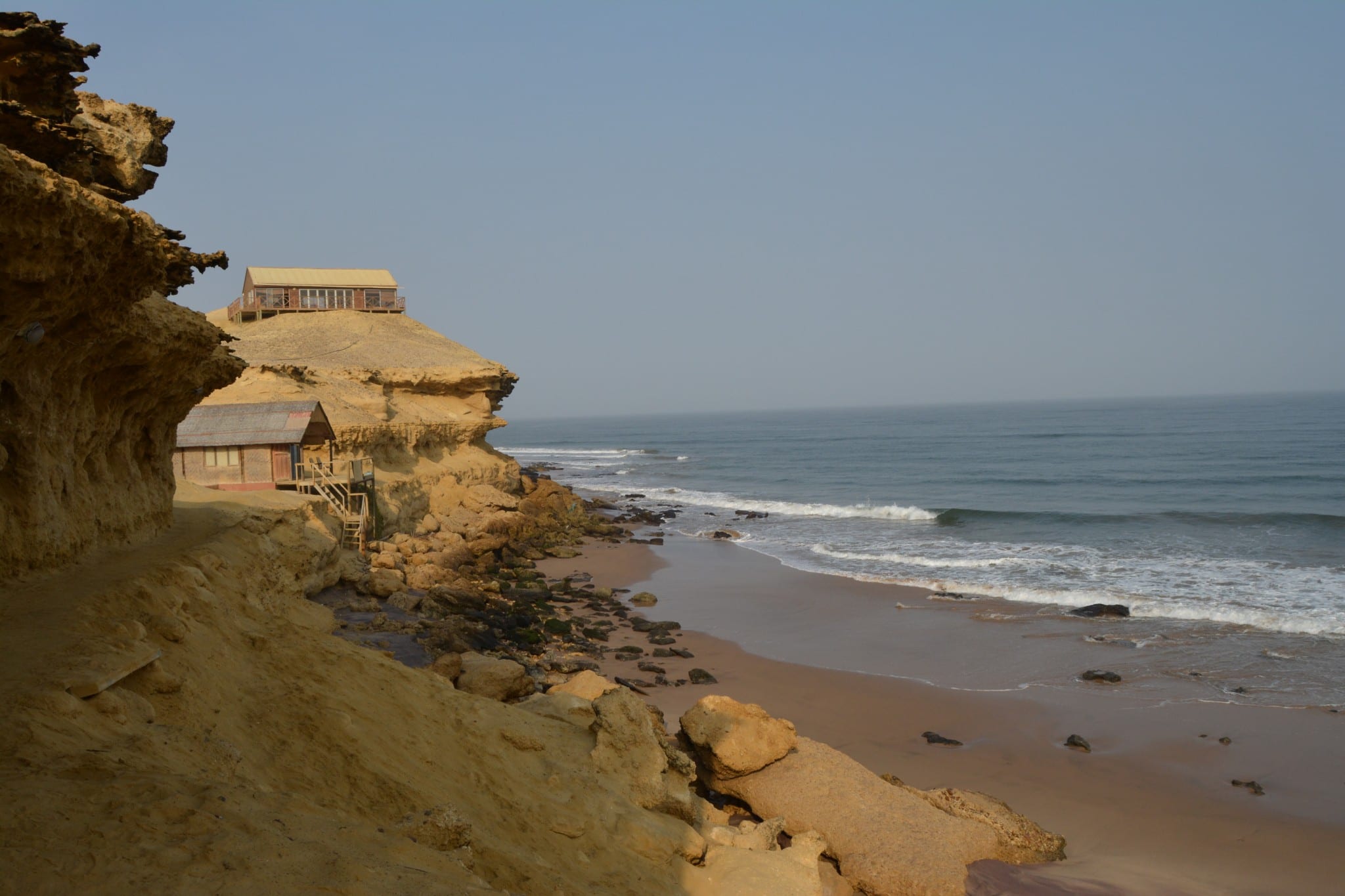
We spent that day fishing the beaches north of Flamingo, fine tuning our tackle and techniques and catching a number of shad and one small kob. My first shad was a bomber of 3kgs or so, which ate a paddletail that I had flicked into some working water over a bit of a trough, near some rocks while looking for kob. It fought really hard, with lots of head shakes, but the hook held and I landed him.

I was fishing with professor Warren Potts, of Rhodes University, who has run a research and monitoring program on the major angling species in southern Angola for the last 13 years. He has lived at Flamingo in the past, for a few years and it was great to travel with him and to tap into his extensive knowledge and experience.
We went to bed early that night and were up at 4.30am to leave for the Cunene. There was fog in the air, so that the headlights of our vehicle had a hazy, yellow glow as we drove up the old river bed, away from Flamingo. We drove in a convoy of two vehicles, through the desert to the outskirts of the town of Tombua, where we filled up with diesel at the gas station, then left the road, taking a barely discernible track into the desert, which lead to the entrance to the Iona National Park. We checked in with the Park Authorities, let down our tyre pressures and started the long drive south.
We met up with Rico Sakko, the owner of Flamingo Lodge, at a predetermined spot where he had camped the night before with his group of overland tourists. Our convoy swelled to five vehicles, one of which was towing an inflatable boat. Rico was going to be stopping over at Baia dos Tigres, where he would use the boat to take his group over to the island in order to walk around the ghost town. The town there existed years ago, when the peninsular was still joined to the mainland. It received its water supply from the Cunene, via a long pipe line. When the sea broke through the peninsula and made it into an island, everybody left, leaving a ghost town to slowly decay in the wind, the sand and the salt.
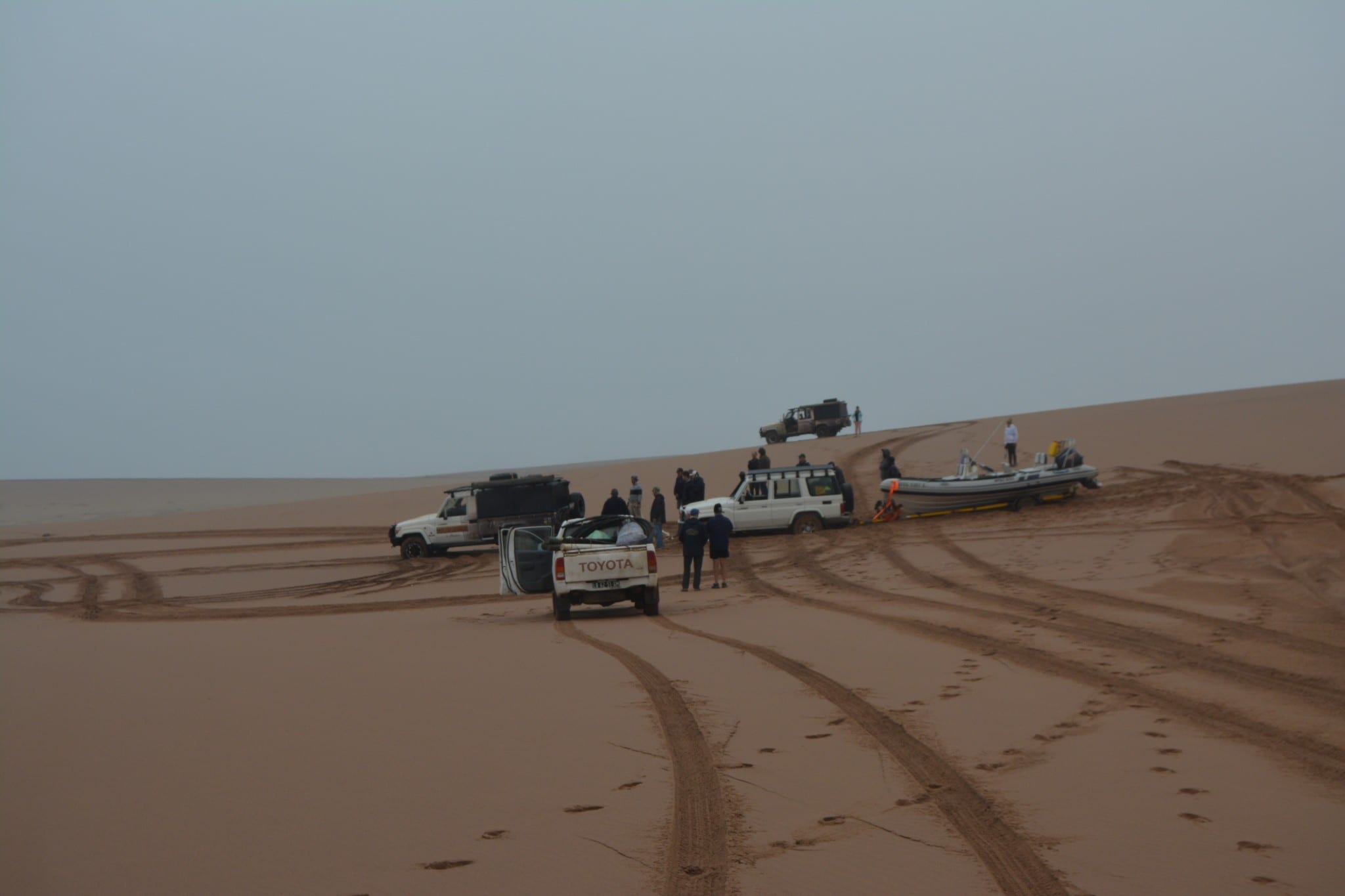
It was comforting to have a larger convoy from here, as we were entering the dreaded ‘Doodsakker’, which means ‘Death Acre’ in English. This daunting sounding stretch of coastline is in an exceptionally remote and desolate area. There are lines of big sand dunes, which curve gracefully down to the sea. At low tide, at the base of the dunes, there is a narrow ribbon of beach between the dunes and the sea that you can drive along. There is nowhere to run once you embark on this section, you have the sea on your right, big dunes of soft sand on your left and if anything goes wrong you have little space to work in and limited time to sort it out, before the tide comes in. Numerous vehicles are sacrificed to the sea every year along the ‘Doodsakker’, and we didn’t want to be one of them.
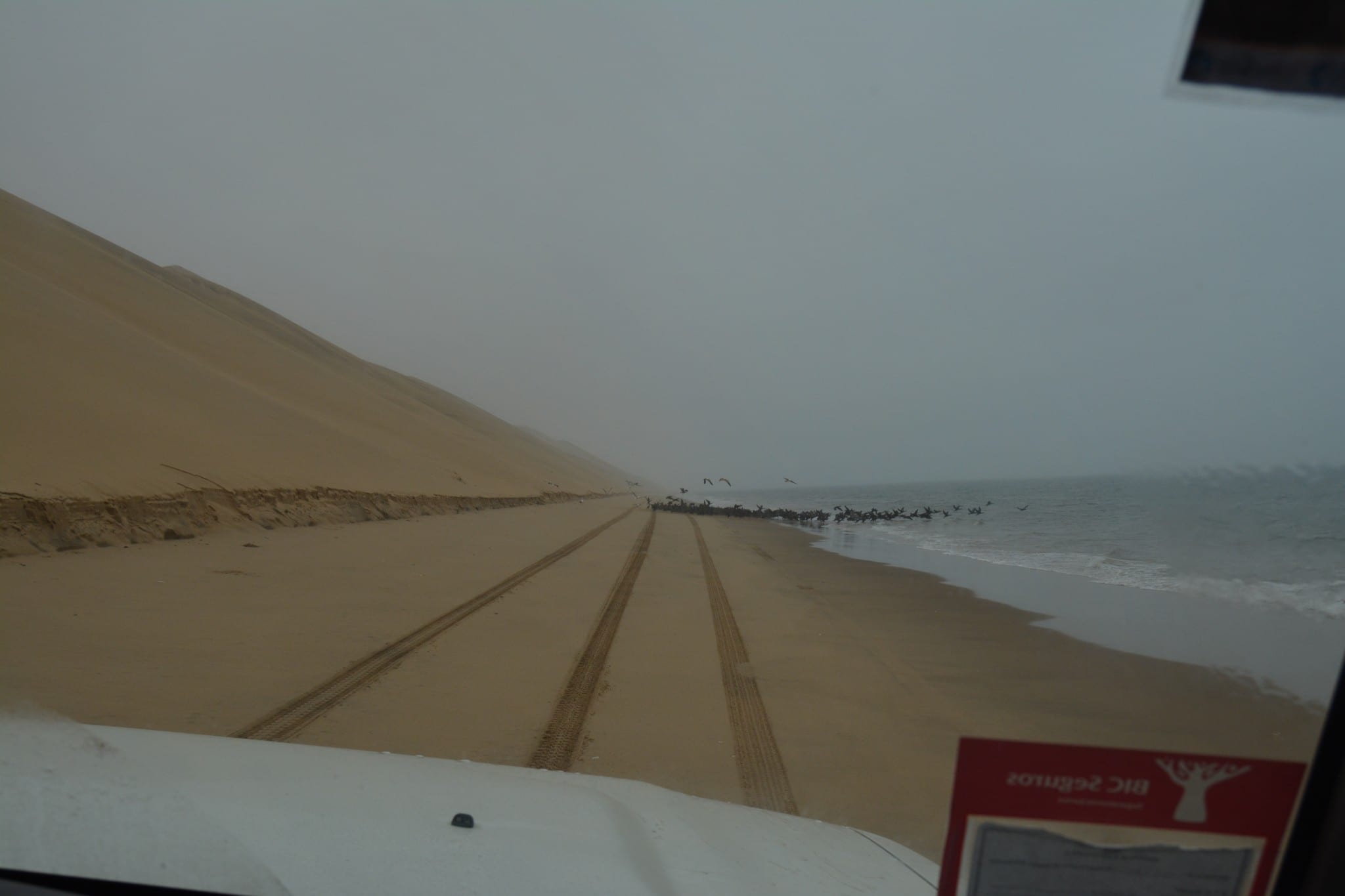
Warren took one look at the sea and the beach conditions and he told us that it looked good. We got to ride up front in the lead vehicle, as were filming and needed the best views. There were some seals on the beach along the way, we passed dead seals, a dolphin and a whale carcass. Then we saw massive flocks of cormorants. They made big black patches on the beach ahead of us, and started taking to the water as they battled to fly, panicked by the approaching vehicles. The sheer numbers of birds, seals and dolphins made it clear that there was a very rich fishery there to sustain them.
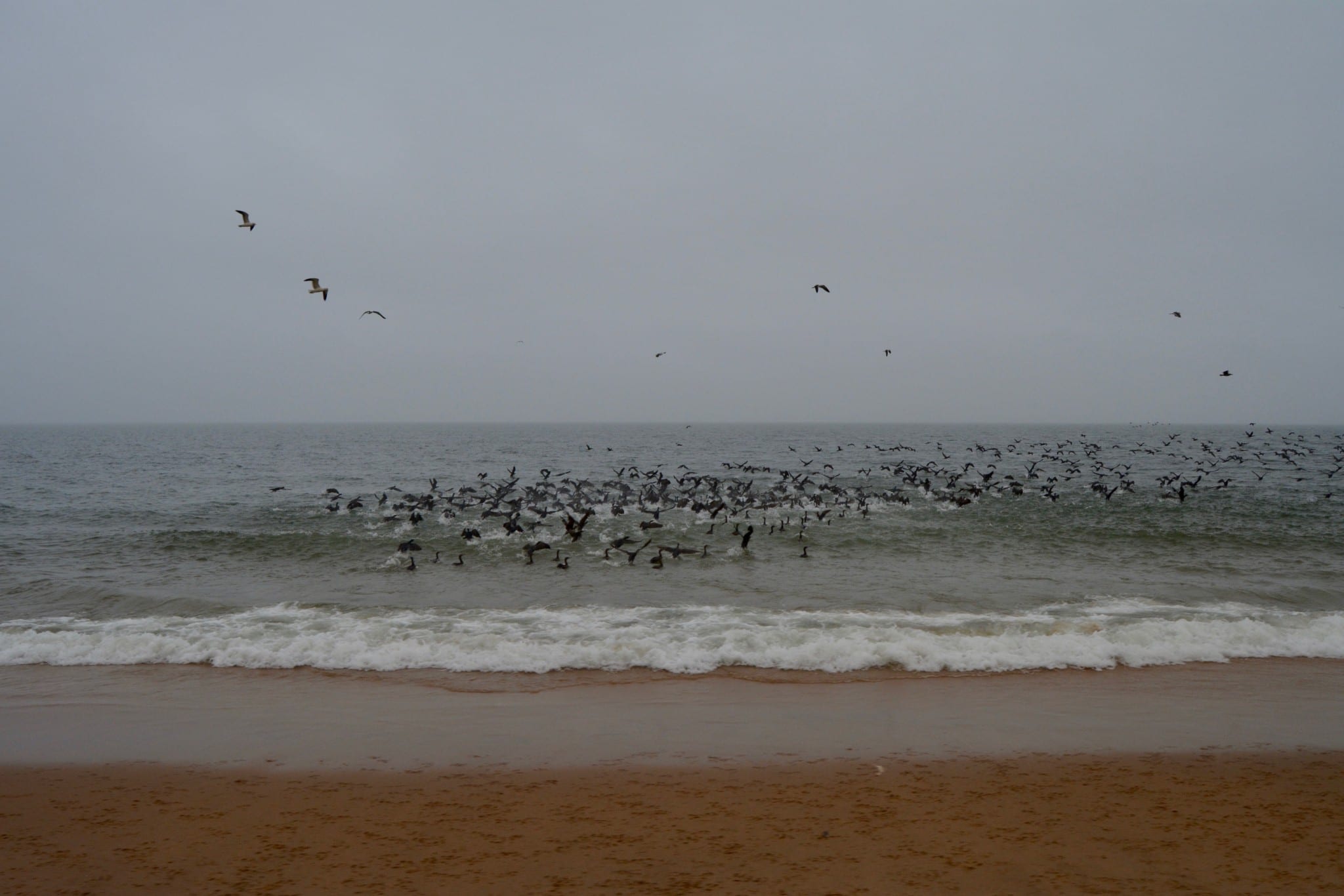
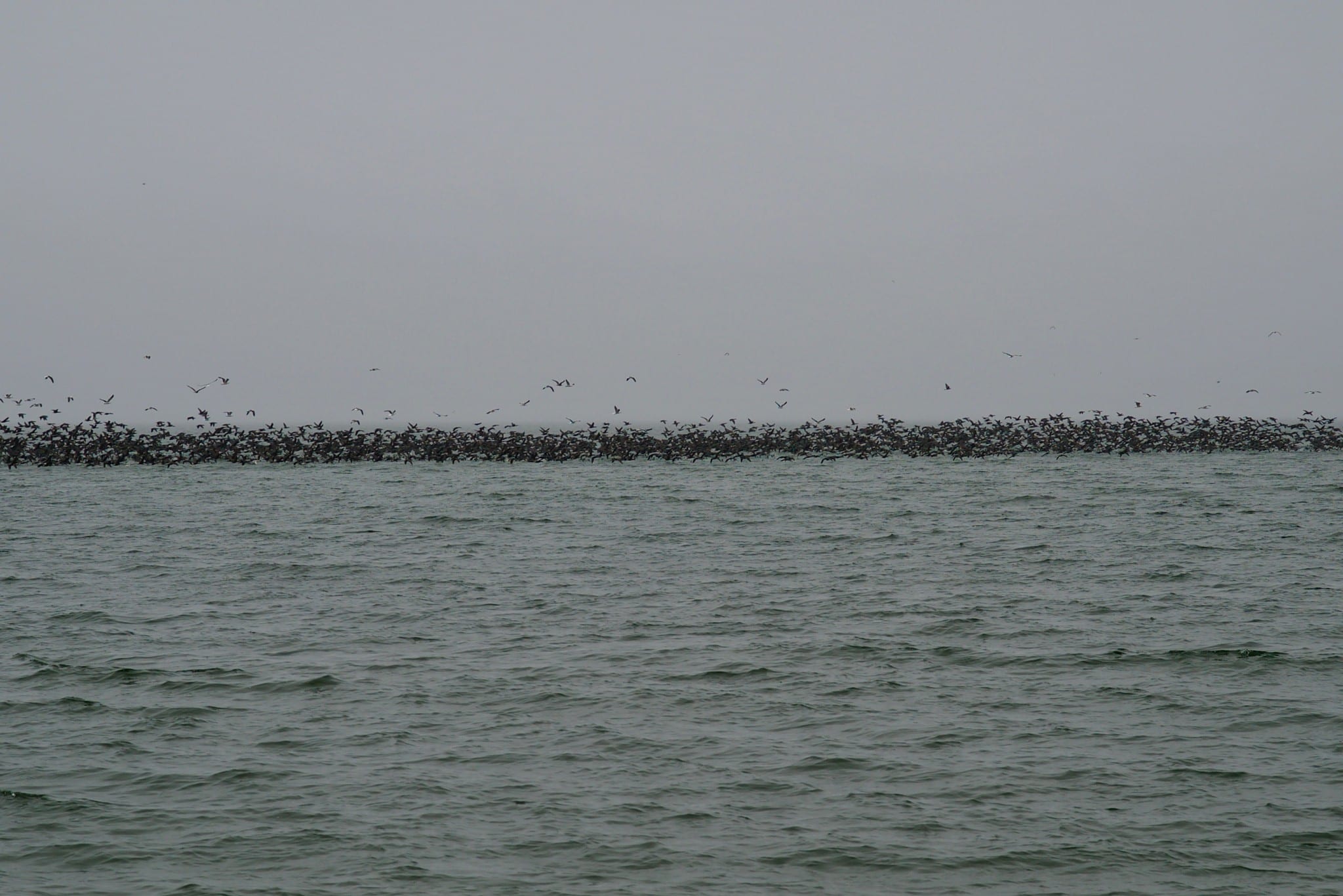
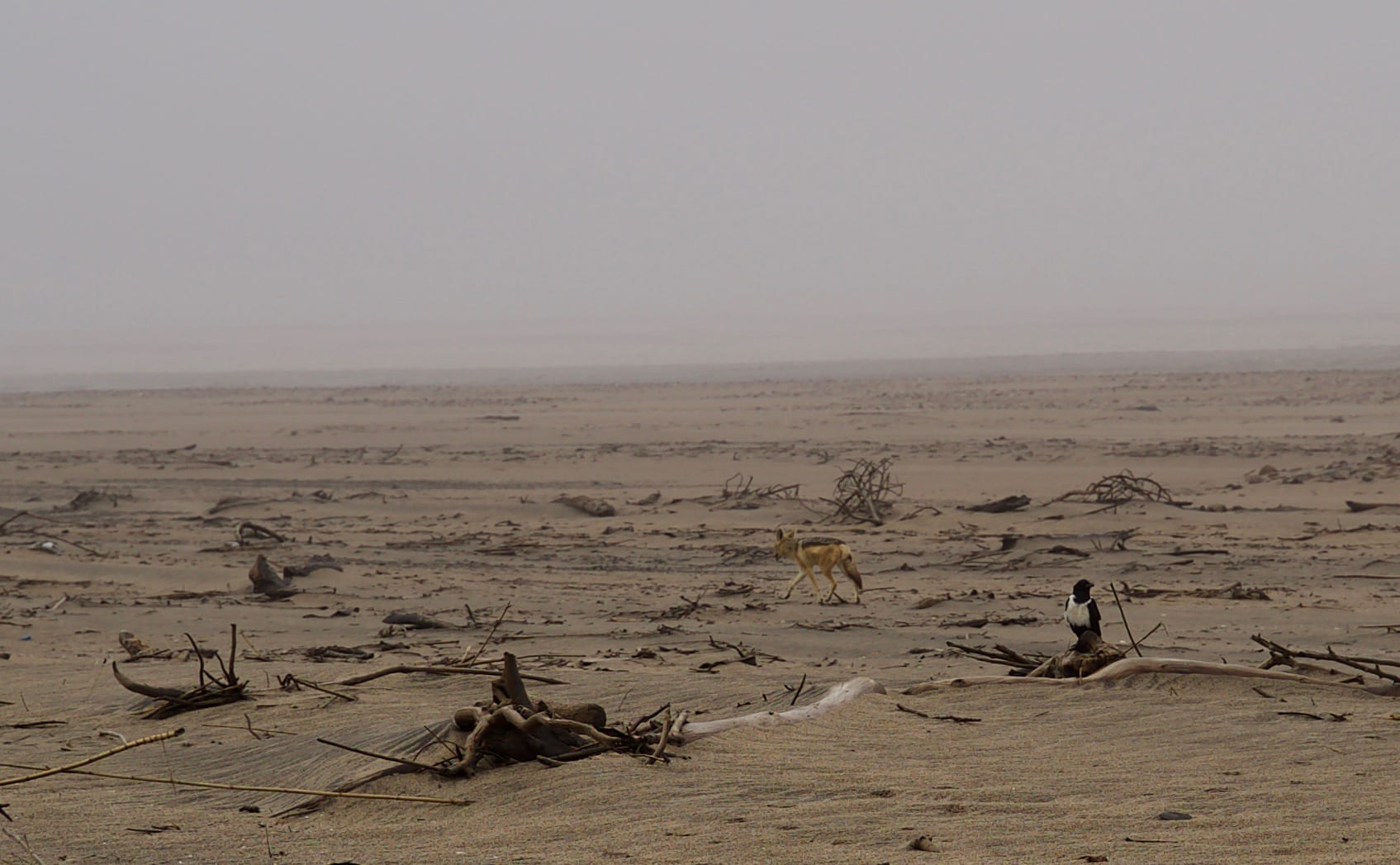
There were some large shallow lagoons along this part of the coast, with plenty of flamingos, pelicans, gulls and cormorants, as well as seals, dolphins and jackals, so we had lots to look at along the way. We passed a few areas of rock, where huge black mussels could be seen along the water’s edge.
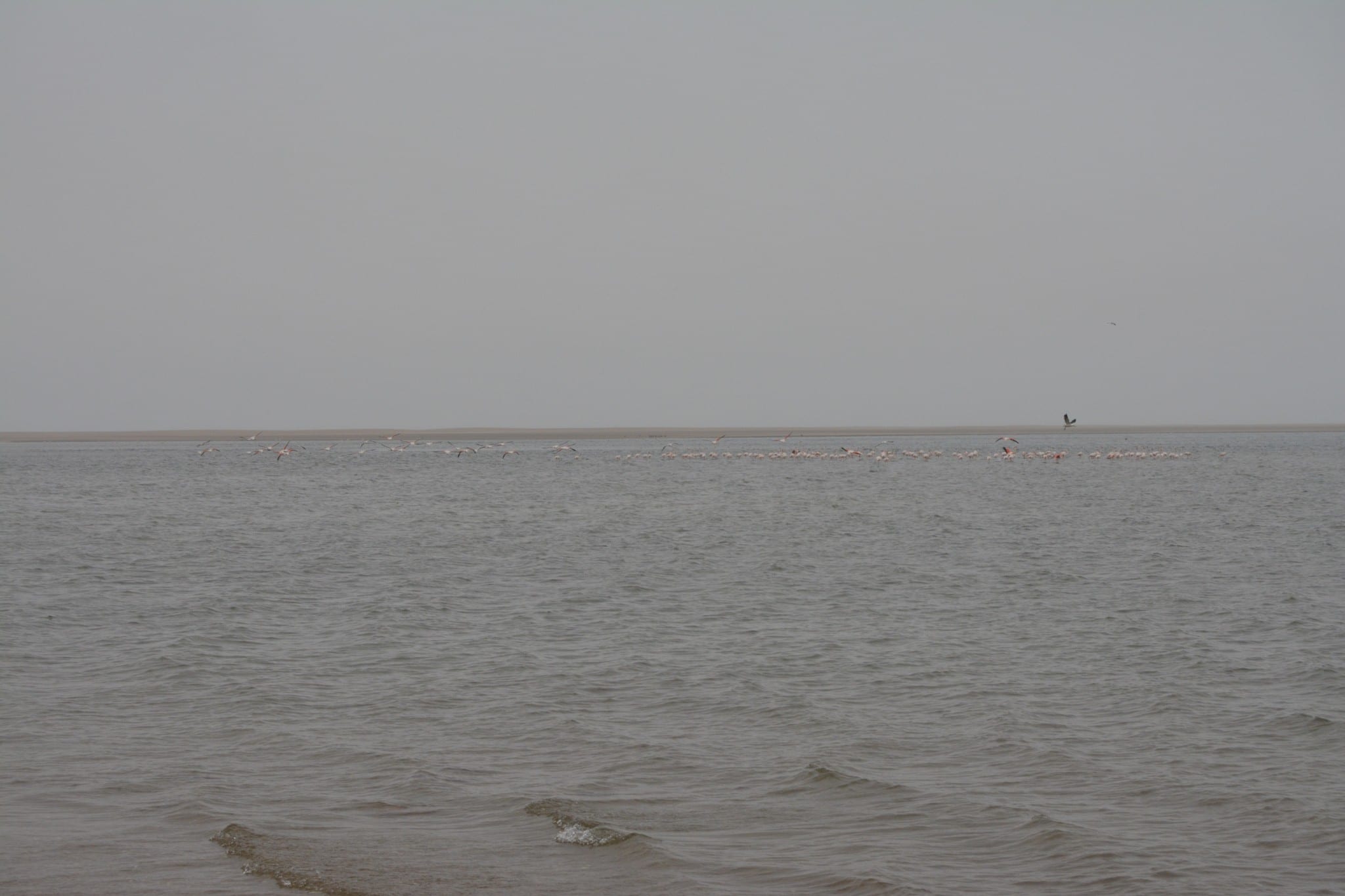

We left Rico and his crew opposite the island at Baia dos Tigres and continued, with just our two vehicles.

We stopped about 40km short of the river mouth to have a few casts, and found the water to be very cold. We had no bites and Warren said he thought we should rather just press ahead to the river mouth area, as the water would be a bit warmer there. We did the last stretch quickly and easily, arriving at the river mouth at around 10am.
It was difficult to make out the full extent of the river mouth from the ground, as it was all very flat, with sand banks everywhere. It formed a bit of a delta, with a couple of mouths, separated by big sandbanks, which were full of birds.
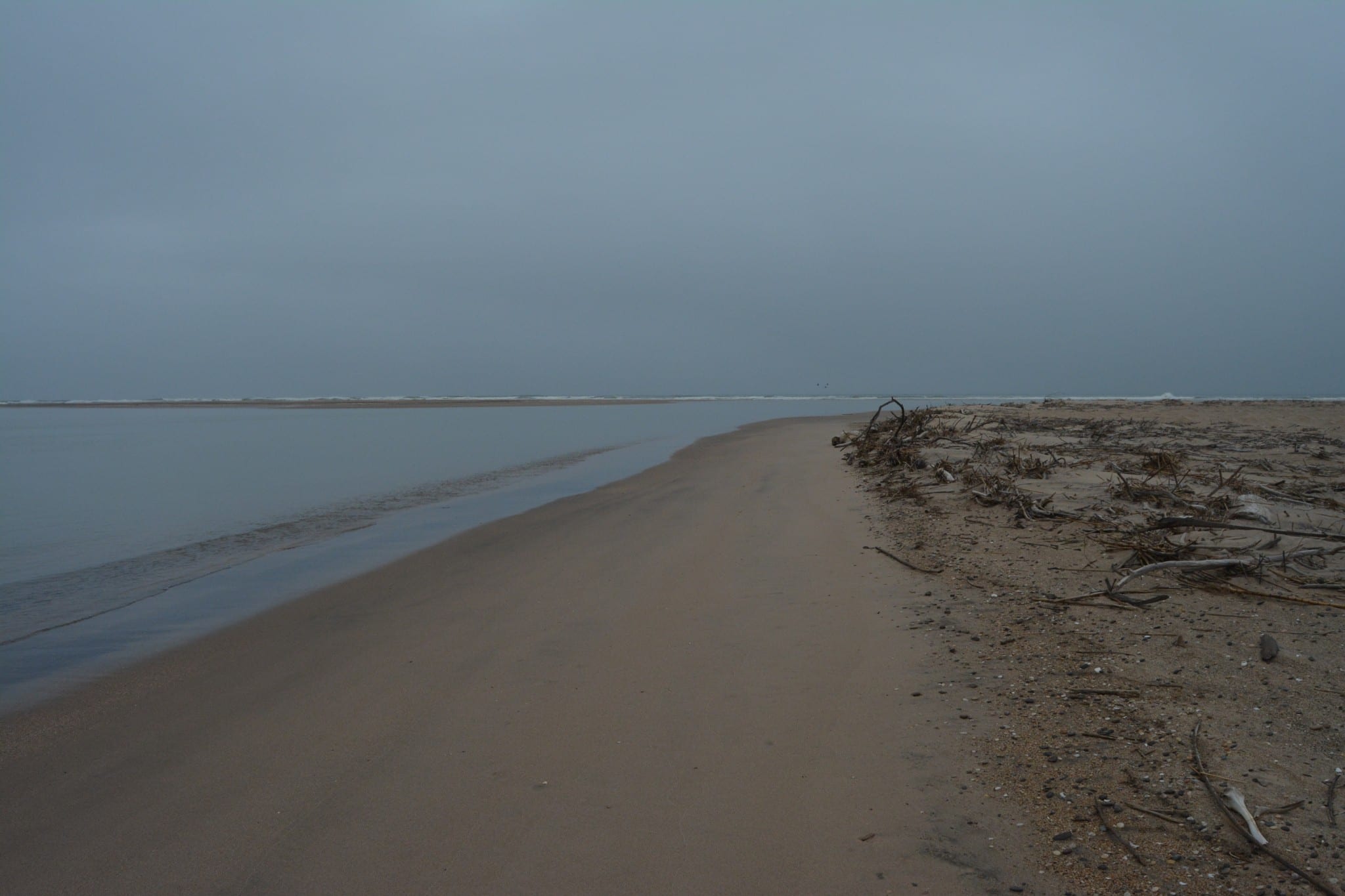
We took a quick look around, the focused our efforts on the surf, in the region of the river mouth.
The tide was low, so there was very little water in the gutters that ran parallel to the beach, which would be holding kob later. We decided to spin with light tackle while we waited for the tide to push a bit more water in. I started off with a small bucktail jig and quickly caught a few juvenile garrick, which seemed to be plentiful in the shallows. A little later I had a hard pull from a better fish, which gave a strong fight on my seven-foot flick stick and 8lb braid. I landed it
And was pleased to have my first Cunene kob on the beach.

The kob started moving into the gutter and soon enough we were catching plenty of them. We had most success on 5 and 6 inch paddletails. I found the pink and white Berkley Ripple shad to be the most effective soft bait in the area. By now I had upgraded from my seven foot outfit to a nine foot, four inch Penn Battalion Rod, with a Penn Conflict 2, 3000 reel and 30lb Berkley Whiplash, in order to cast heavier lures and to handle any bigger fish that we may hook. I mainly used ¾ oz Berkley Nitro jig heads, with 5/0 hooks to rig the plastics on, and found them to be excellent.

We landed a lot of kob in the 2 kg to 6kg range, hooking fish on virtually every cast at times. I also switched, on occasion, to a copper 60g Abu Toby spoon, rigged with a 6/0 circle hook, which also produced some kob. When the tide had about an hour of push left we decided to move to the river itself, where I wanted to target grunters that I had heard about there. I was interested to see how aggressive they were and whether they would take lures. I also wanted to get a good look at one, as I wanted to know what species of grunter they were.

My first cast into the river with a small, white bucktail, tied onto a 1/8 oz Berkley Nitro jig head, resulted in a kob of around 2kg’s. After that I got a couple of small garrick, the biggest maybe 2kg’ s as well. I tried a variety of small soft plastics, bucktails etc but had no joy with any grunter. After a while I decided to try some of the Berkley Gulp products, to see whether the scent would make any difference. I started with small pieces of sandworm, about 2 inches long and immediately we started catching grunter. The grunter loved the sandworm and the Gulp shrimp and we ended up catching quite a few of them, with the odd garrick and small kob in between. Warren did finally catch a grunter on an unscented soft bait as well, so we knew that they could be caught on proper artificials.
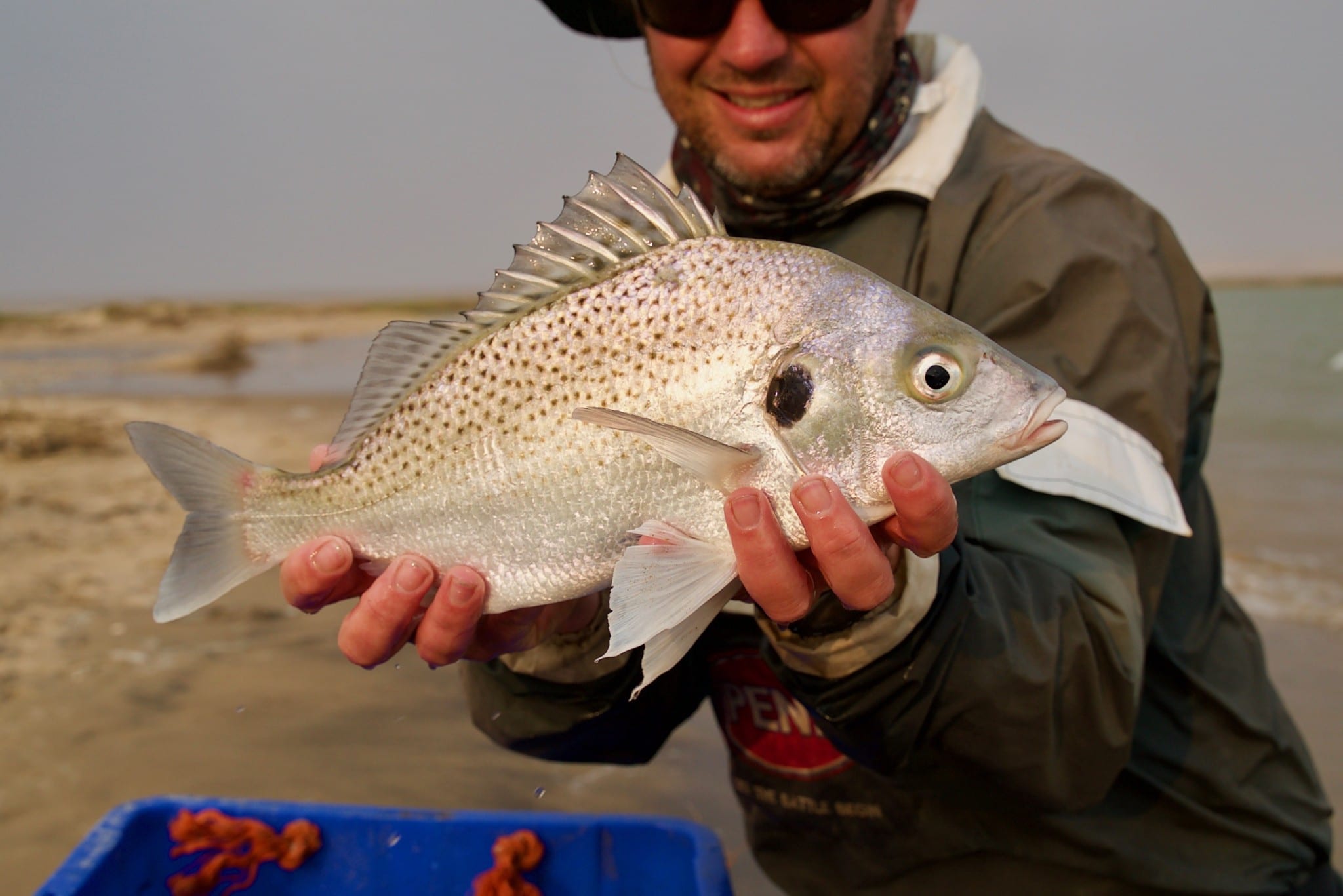
The grunter looked fairly similar to our spotted grunter, but were a bit chunkier in shape and did not have the fleshy lips or long nose that their South African cousins have. We managed to identify them as a parrot grunt, Pomadasys peroteti
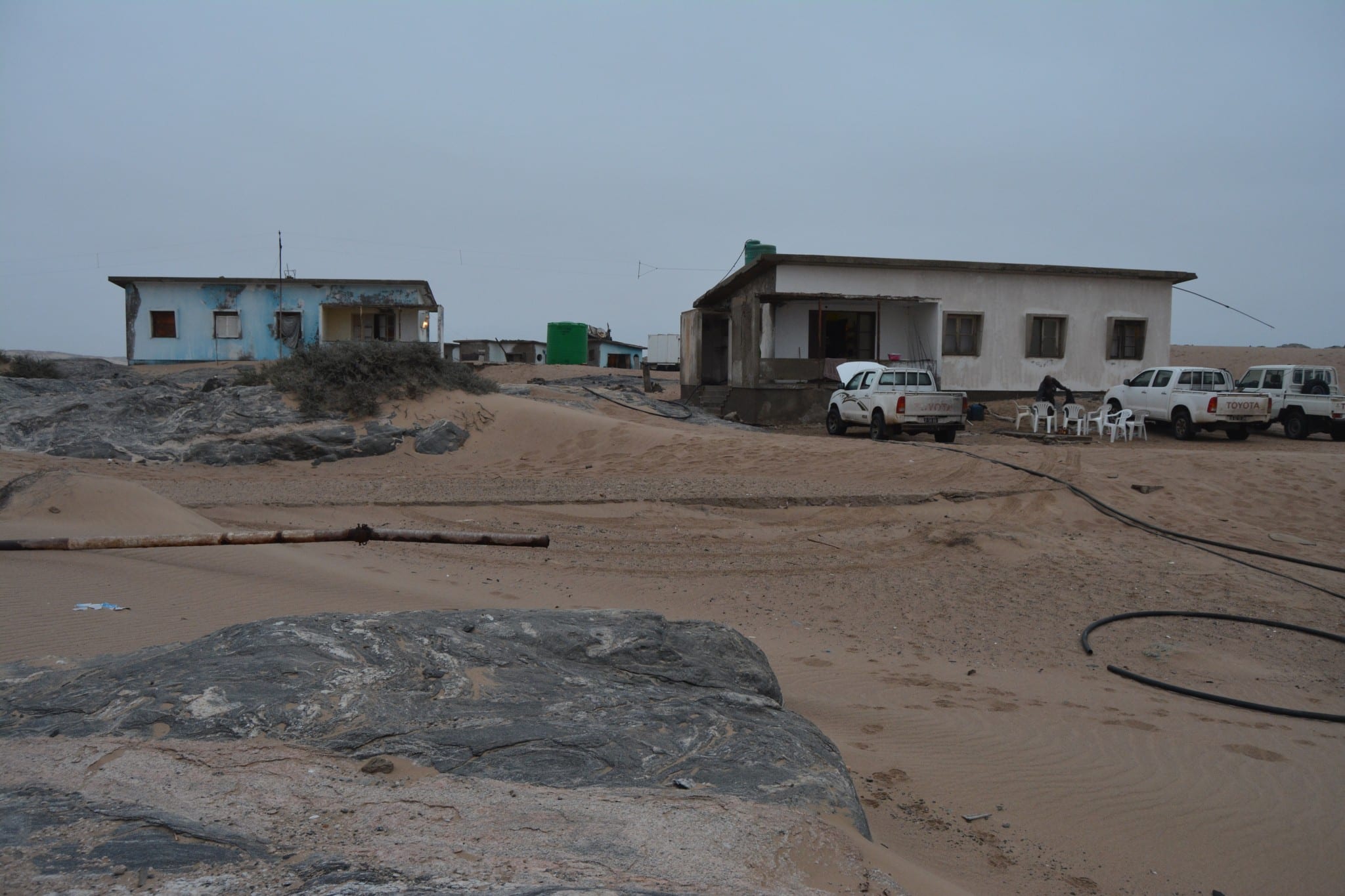
That night we slept in beds set up in some old abandoned buildings near the river, and enjoyed a dinner prepared by the Flamingo lodge chef, before falling into a deep sleep.
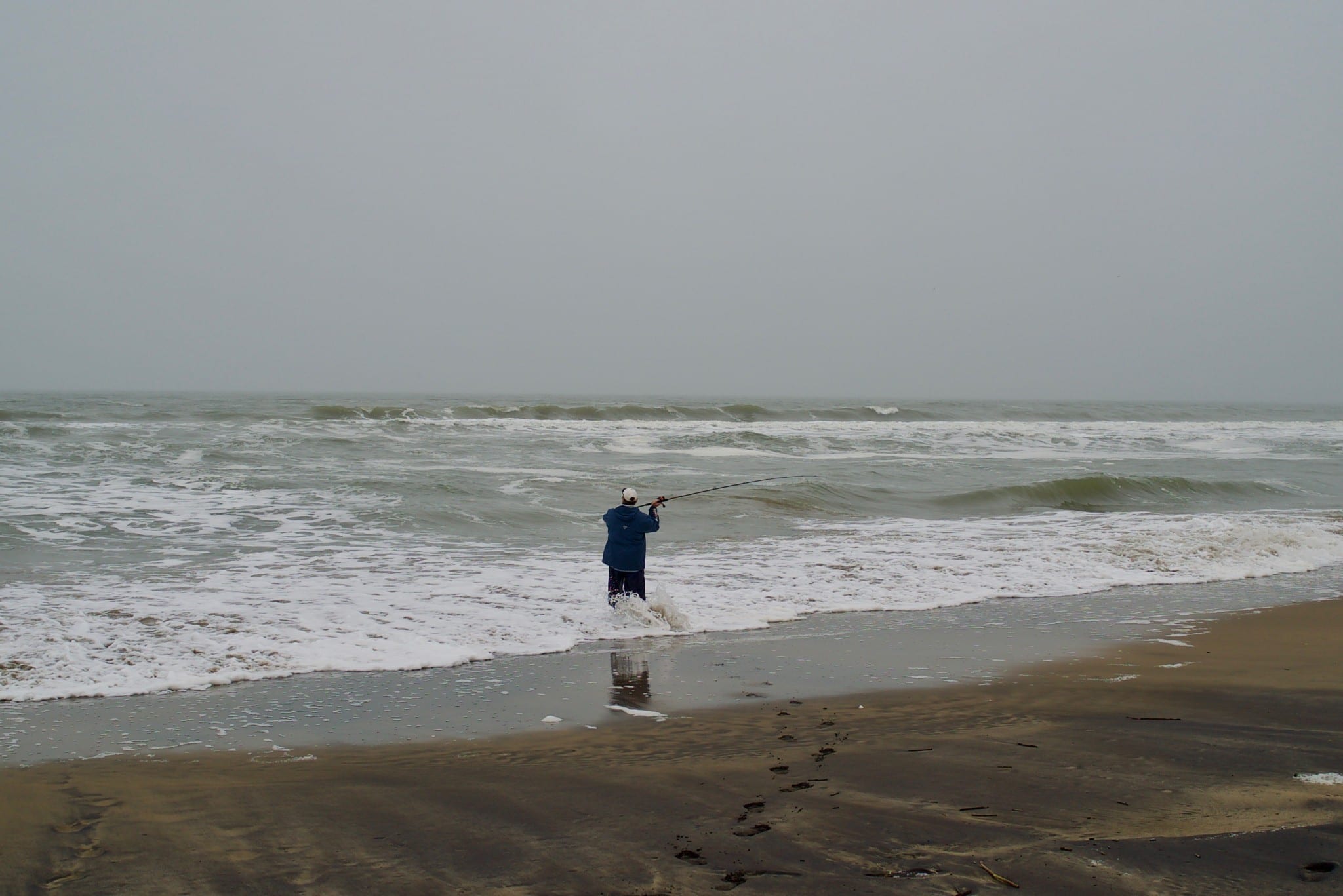
The following morning, after a quick breakfast we headed for the surf again. I decided to scale down on the tackle and fished the seven foot Penn Allegiance rod, with a Penn Fierce 300 reel and 8lb Fireline 8 on it. The fish had all been small to medium sized the previous day, and I figured it would be more fun targeting them on lighter tackle. I used a 5/8 oz Berkley Nitro Jig head and 4 inch Berkley Ripple Shad paddle tail in plain white. This combination proved to be deadly, and I ended up catching a bunch of fish on this outfit and having a really great time doing so.
In the late afternoon we headed back to the river, where we had more fun with kob, garrick and grunter. One of the guys also caught a tilapia on a small lure, which was very interesting. The wind started to pick up through the afternoon, getting very strong later on.
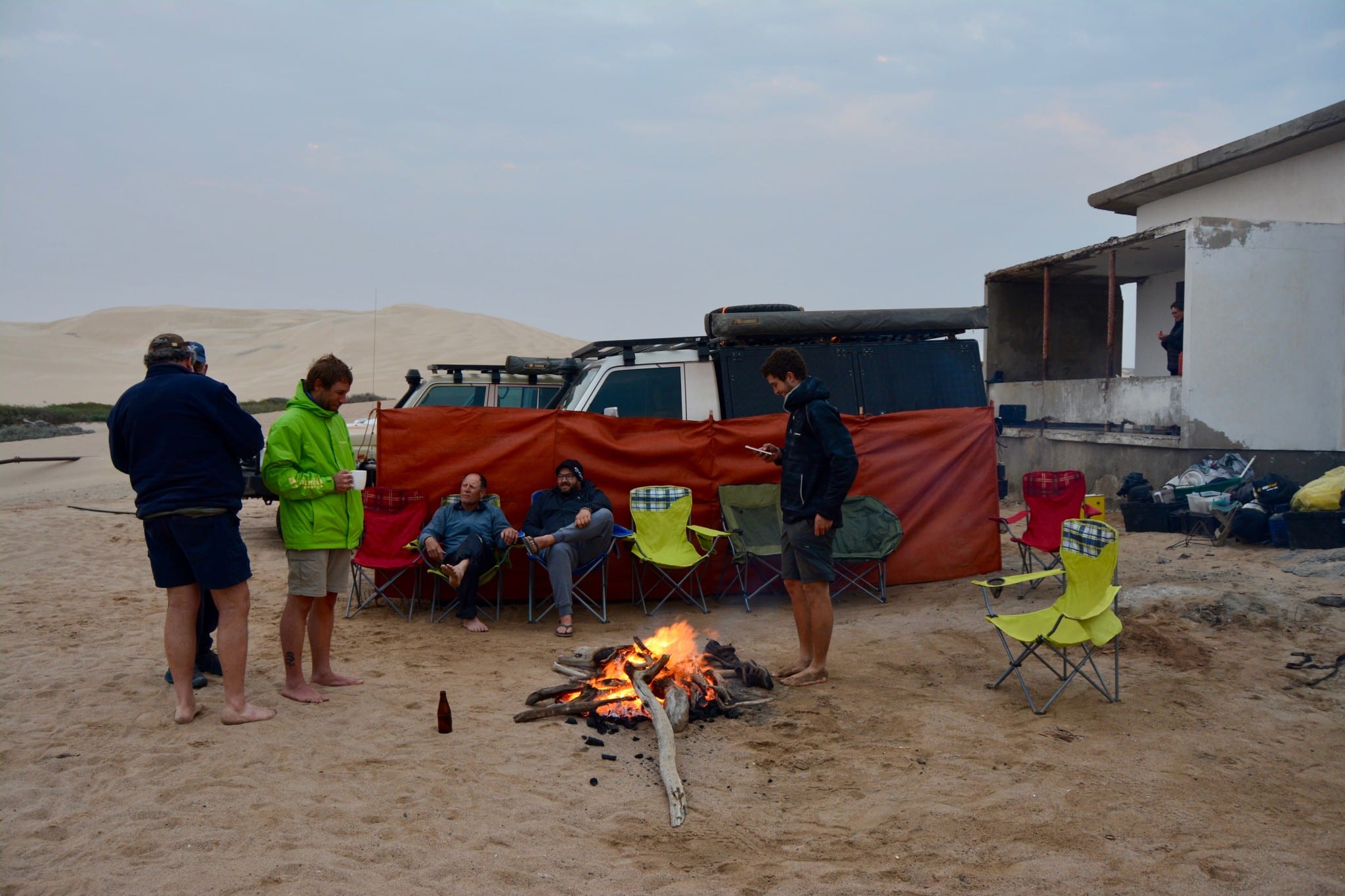
When we got back to the base that evening we decided to leave that night on the low tide, in order to give us more time for fishing at Flamingo Lodge. We ended up leaving Cunene at about 7pm and arrived at Flamingo at midnight, having had an uneventful and safe journey.
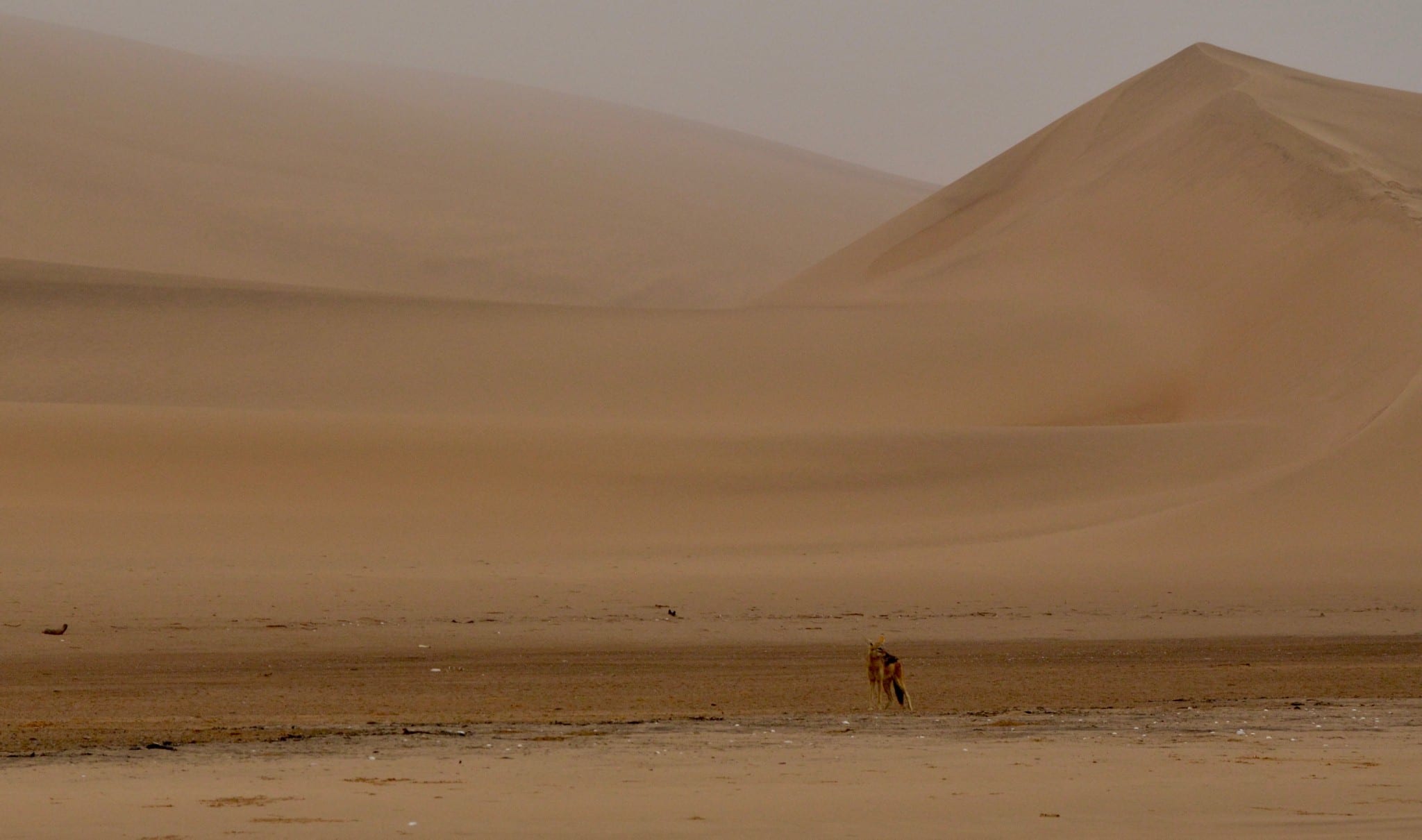
Visiting Foz do Cunene was an incredible experience, a place that is remote and desolate, yet full of fish and sea life. I felt as though I was in one of those places on earth where not too many people have ventured and that brought a certain peace to my soul.
- Maldives Trigger - April 28, 2022
- Matoya Humpback – Figuring it out - December 15, 2021
- Mixing It Up - November 24, 2021