


Fishermen are generally a pretty laid back bunch, more interested in sampling the simple pleasures of nature, than in keeping up with the demands of fickle fads and fashions. There are, however, some exceptions.
Some dapper fellows turn up at fishing grounds dressed in the latest technical wear, complete with gloves, headgear, sunglasses, buffs and backpacks, all bearing garish, high end branding. It doesn’t end at the apparel for these debonair gents, their tackle is also part of the show. Limited edition signature series rods, reels that cost more than the average motor car and boxes of perfect lures, never sullied by the mouth of a predatory fish, add to the effect.
These guys fervently believe that wearing/using better gear will effect better fishing outcomes. Now, in fishing, confidence definitely does lead to better results, so perhaps there is some merit to their thinking. On the other hand, nothing can replace experience, patience and good old local knowledge when it comes to catching more fish.
In Africa we get every level of angler on the water, from the aforementioned slicks with all the gadgets, to the scruffy local subsistence fisherman, trying to catch something for his family to eat. Fish are a great equalizer, they don’t care if the guy on the end of the line is rich or poor. It is of absolutely no concern to them whether he is the image of sartorial elegance, or simply adorned with dirty rags. The brand and condition of his fishing tackle is of even less importance.
This was demonstrated to me in emphatic fashion on a recent trip to the Zambezi River in Zimbabwe. I was on a filming trip, with two anglers and two film crews.
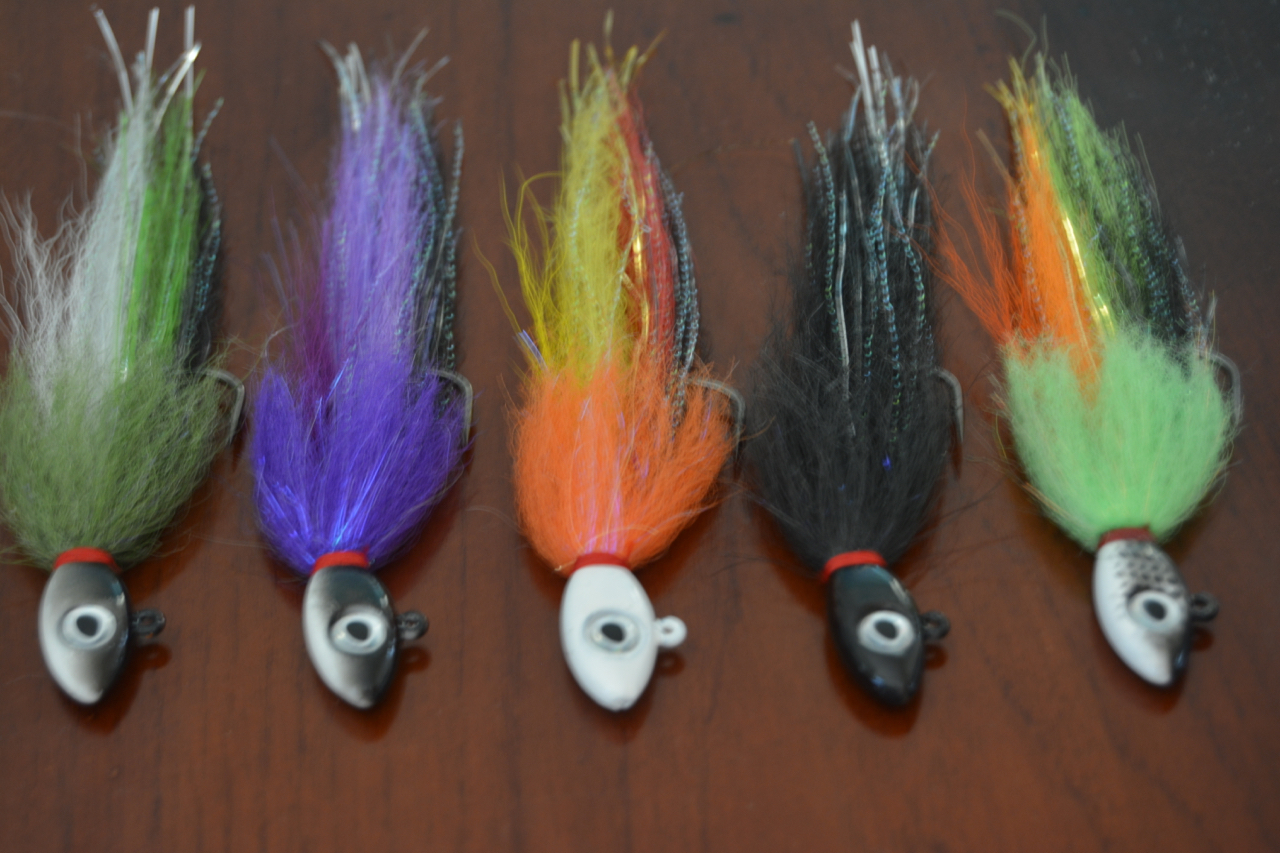
We had been trying to catch a decent tiger fish for a couple of days, but were being skunked by the conditions. The weather was unstable and the barometric pressure was bouncing up and down like a safety-pin studded kid at a Sex Pistols concert. The tigers didn’t like it and were sulking in the depths, ignoring even our most delicately proffered offerings. The pressure was mounting for us to catch a fish.
We were doing drifts through the (normally) most productive parts of the river on shiny new bass boats, fitted with electronics and powered by big, growling outboard motors. We had all the gear one could possibly need in terms of fishing tackle, boxes of lures were stacked on the decks. Spare rods and reels were stowed out of the way and landing nets and scales lay unused, waiting for a decent fish to come to hand.
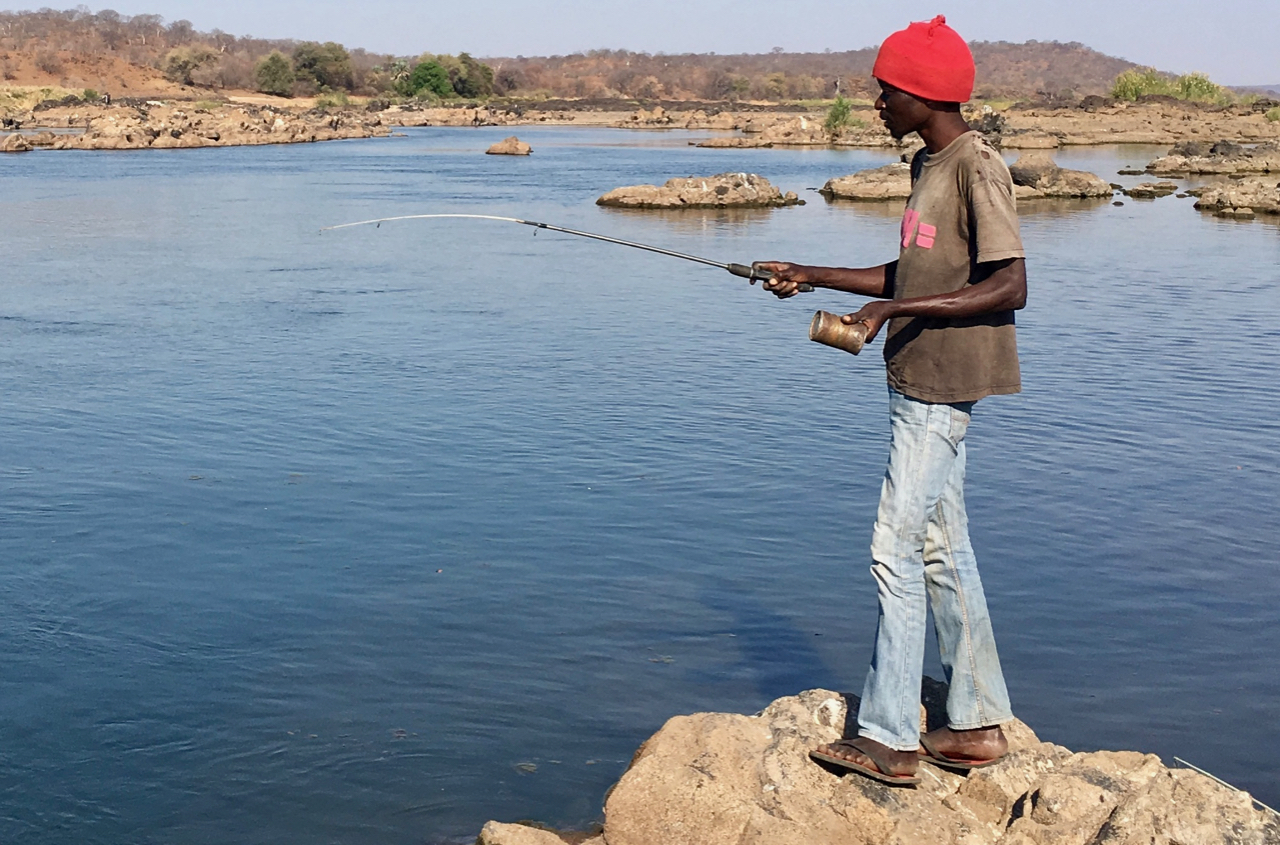
I noticed a local fisherman standing on a rock at the water’s edge fishing with a makeshift setup. The rod appeared to be cobbled together from the parts of two broken rods. The reel was a rusty old tin can, with line wrapped around it, which wasn’t attached to the rod at all. He held it in his left hand, and the rod in the right hand and fished that way. I was curious as to how he made it all work, and kept an eye on him as we drifted past him a few times.
It was ingenious. He would hold the can at right angles to the rod when he wanted to reel in, and would reel by turning the can with his wrist movement, winding the line around it as he went. To cast he would make his cast and at the normal point of release, turn the can ninety degrees, so that the line would peel off as it would off a spool.
He was using thin line and tiny hooks, with live earthworms for bait. His target fish were small chessa, a fish that lives amongst the rocks in the shallows near the edge of the river.
As we approached him on yet another fruitless drift I saw his rod buckle and bend, and from his body language it was clear that he had hooked into something big. Our boat driver called to him to find out what was going on. He replied that he had hooked a small chessa, which had been eaten by a big fish while he was bringing it in.
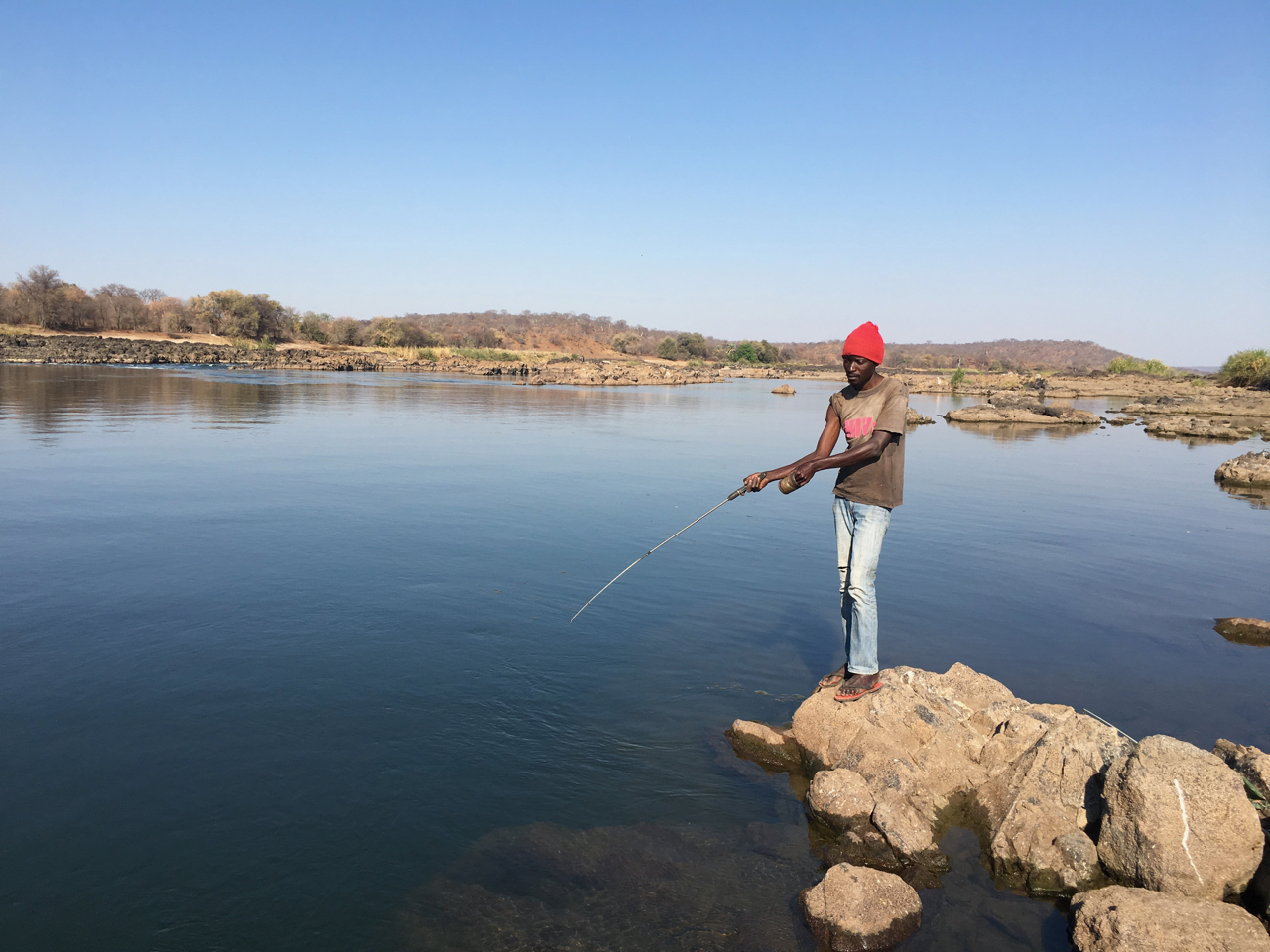
We asked the boat driver to pull over so that we could watch the tussle. I was interested to see whether this guy would be able to manage the fish on his rudimentary tackle. The fight was long, as he couldn’t apply much pressure with his light line and tiny hook. He kept calm and played it like he was used to fighting big fish on this gear. After a while he had the fish in the shallows below his rock and we handed him our landing net to make it easier to land the fish.
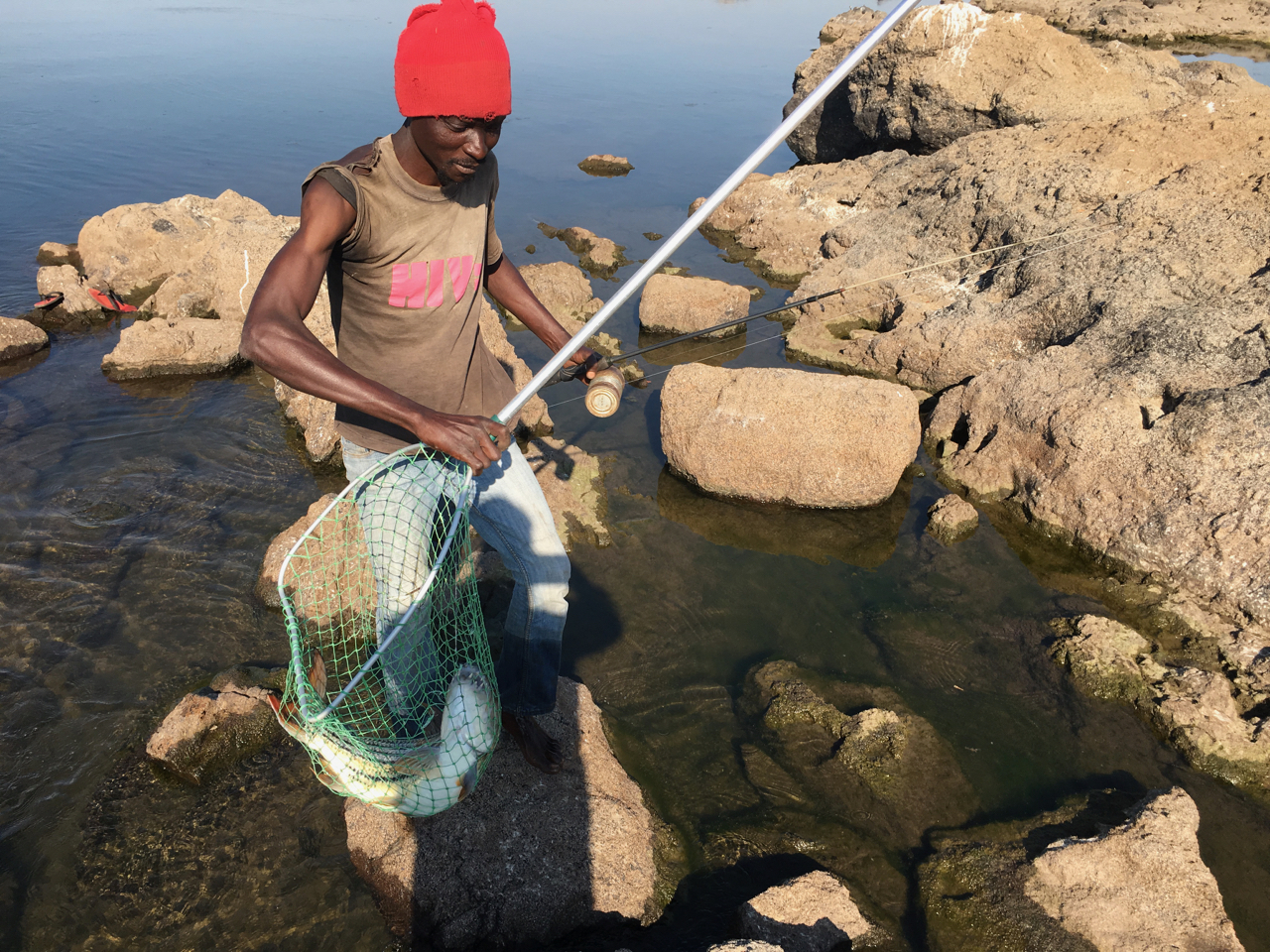
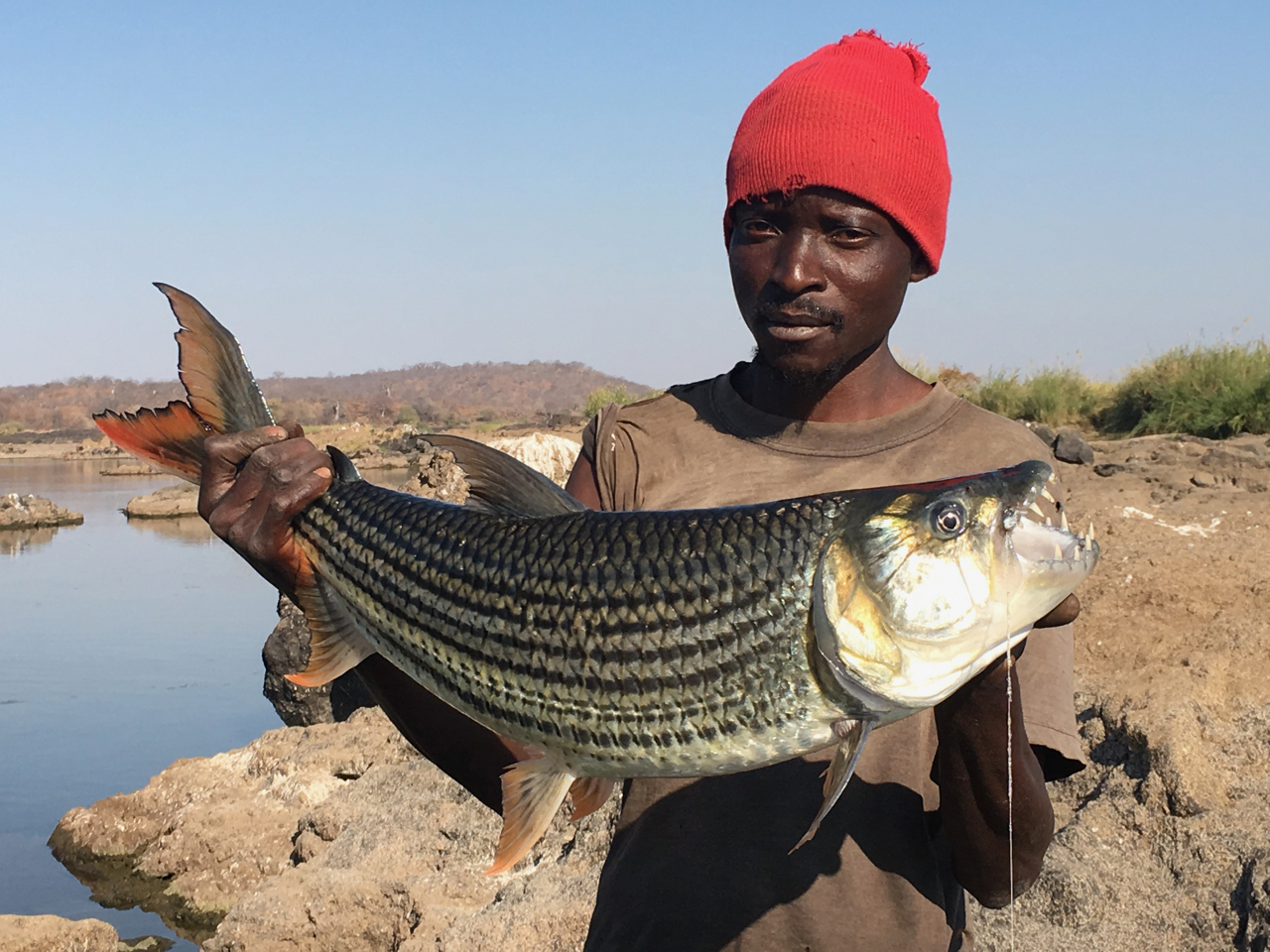
He proudly netted a tiger in the twelve pound size range, just what we had been looking for all week! His tiny hook was embedded in the skin on the outside of the fish’s mouth, which explained why he hadn’t been bitten off. A small dose of luck and a large dollop of skill and patience had paid dividends for this fellow and he was going to present his family with a meal that would ensure that they all slept with full bellies that night.

- Maldives Trigger - April 28, 2022
- Matoya Humpback – Figuring it out - December 15, 2021
- Mixing It Up - November 24, 2021