


Last week we were fishing at Nqabara Eco River Lodge in the Transkei. We had a variety of weather situations to deal with while we were there, and it was interesting to see how the fish were affected by the conditions.
Over the first three days the weather was sunny and clear. The fish, however, were pretty disinterested in taking our lures. We had a number of follows and saw fish, so we knew that the fish were around, they just weren’t committing to eating. The water looked perfect, the temperature was good but there just didn’t seem to be any aggression from the fish.
We fished it hard for those three days, with very little to show for our efforts. The only bites we got were a couple of reaction bites. One from a springer/skipjack which at a Sebile Stick Shadd which landed right on its head. This fish ate instantly and gave a good fight, before cutting me off on a submerged stick just before I could land it.
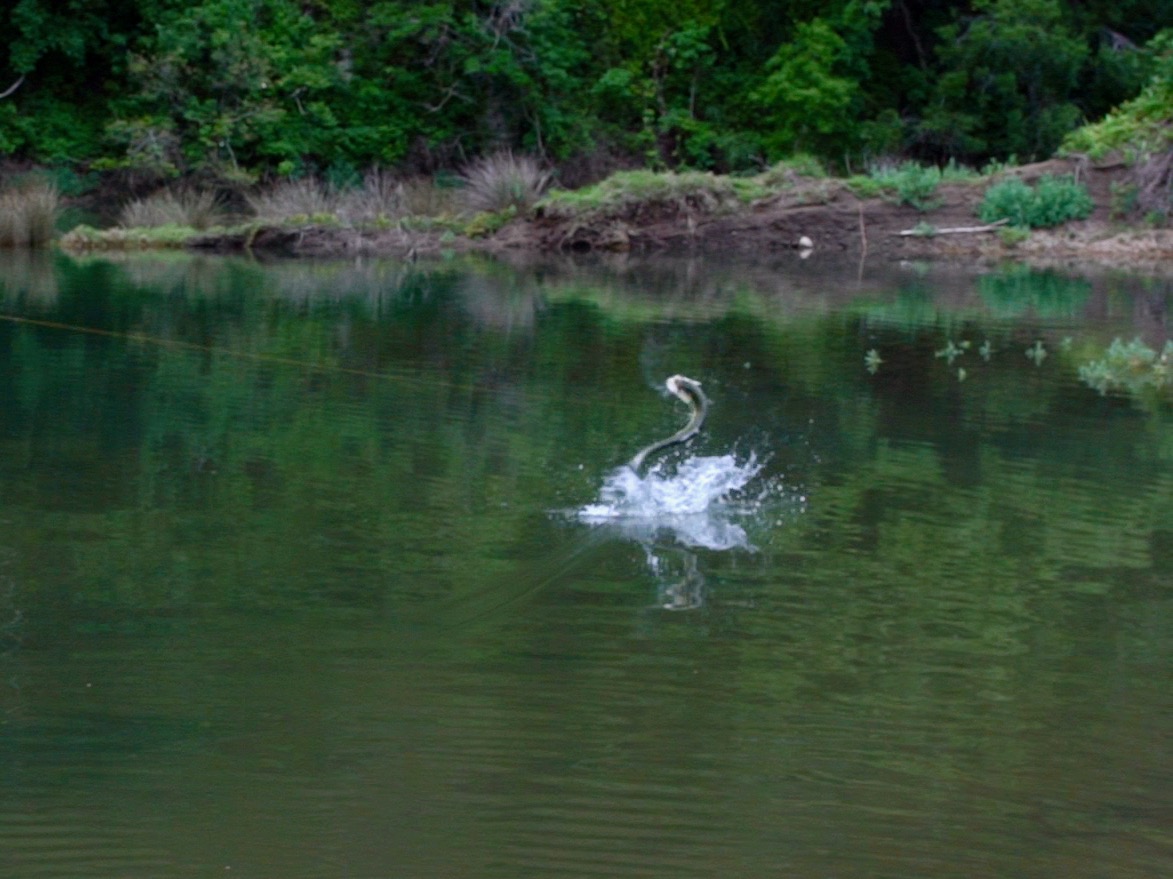
The other was a perch. The stickbait also landed right on top of where it was holding, next to a rock. The fish smashed at it and missed.
Those were the only two bites in three days of hard fishing. Being on the river by 4.30 am each morning hadn’t helped us get any more bites. The only thing that I could see that may be affecting the fish was the fact that the barometer was very low the entire time. It was sitting at around a thousand millibars.
On the morning of the fourth day it was overcast and there was rain around. This normally means a drop in barometric pressure. I checked the pressure out, and it had risen to around a thousand and seventeen millibars, much better!
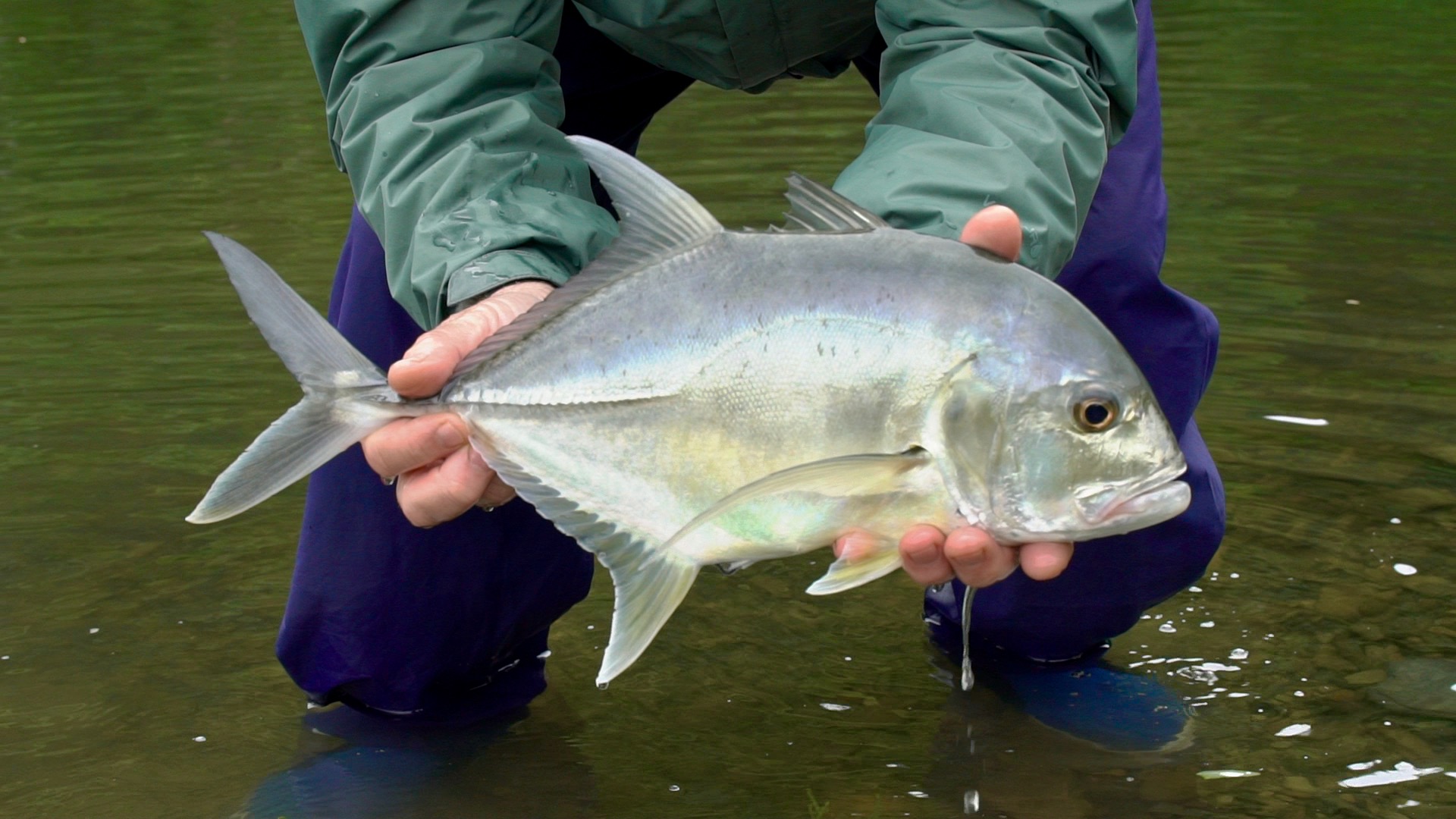
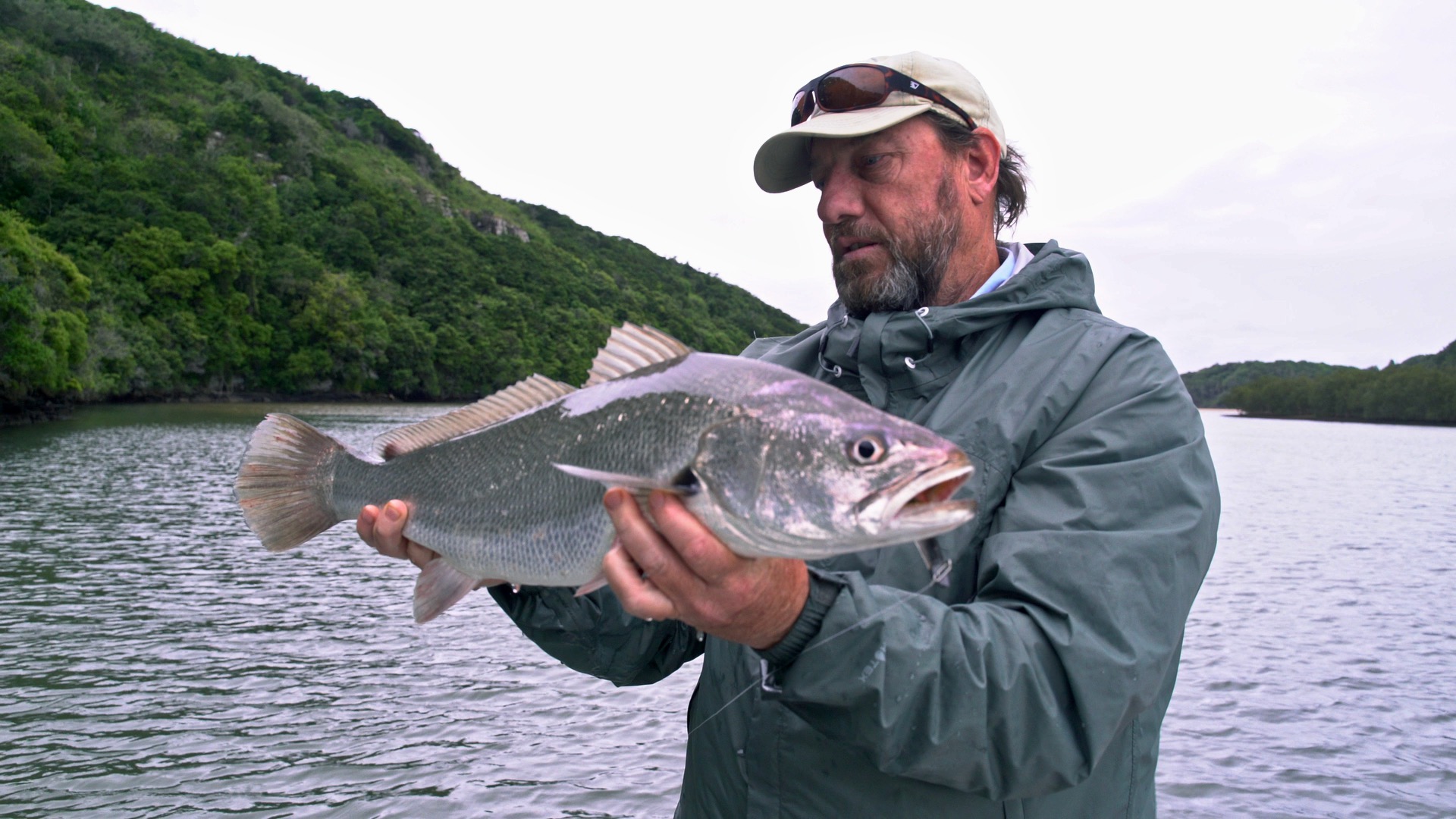
We started fishing that morning and the bites started almost straight away. We started at the hole nearest the mouth and caught a number of kob on soft plastics, working them slowly on the bottom. We then headed further upriver and got stuck into some GT’s. The switch had been flicked and the fish were on the feed!
There was more life in the river to be seen as well. Mullet seemed to be everywhere, streaking along below the surface or jumping from the water in our boat’s wake. There were diamond rays and turtles moving around the estuary looking for food, it all looked much better.
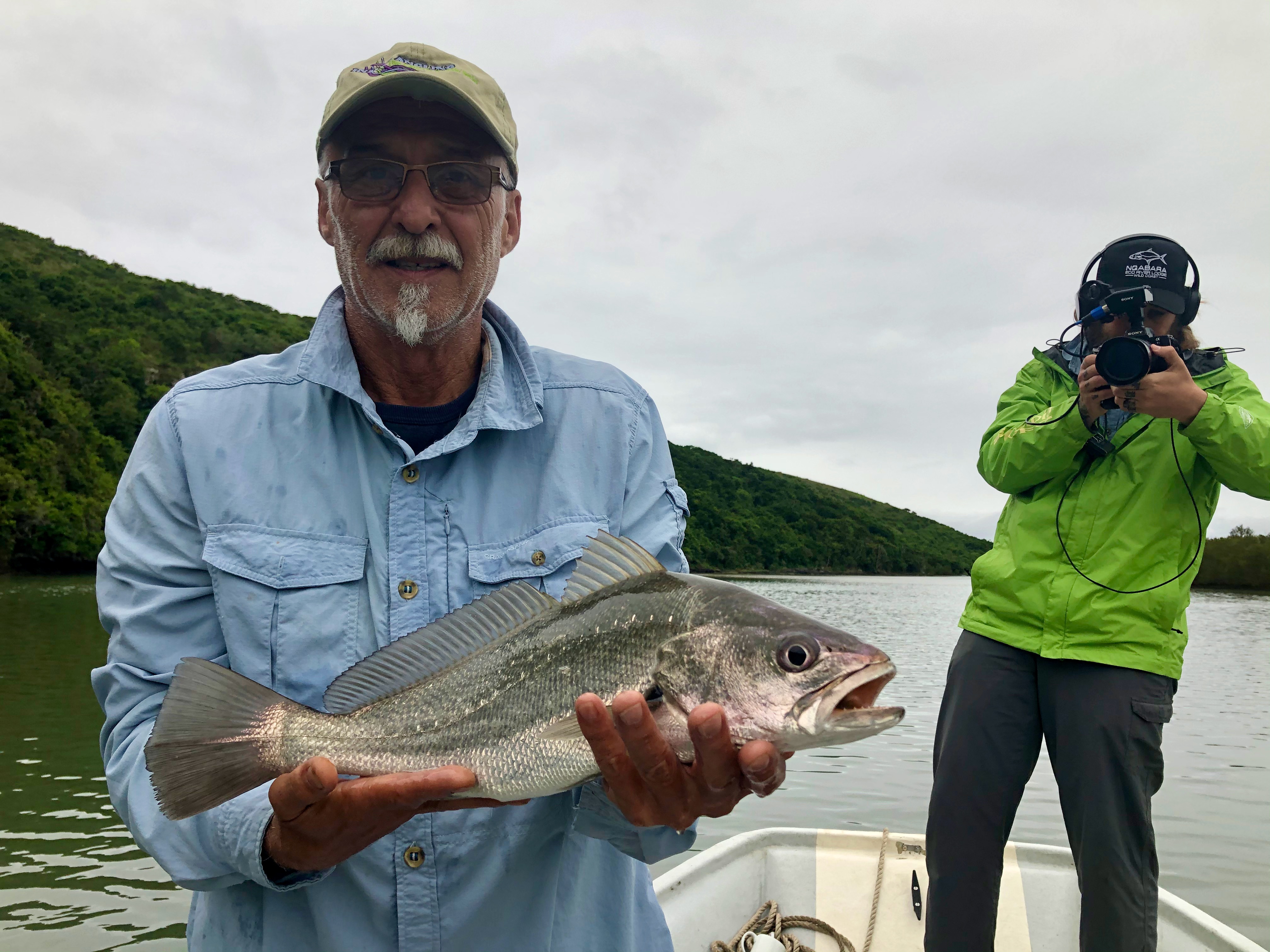
The following day provided more of the same, with the fish being so much more aggressive. It was clear that something had changed and the only thing that we could really pin it to was the higher barometric pressure.
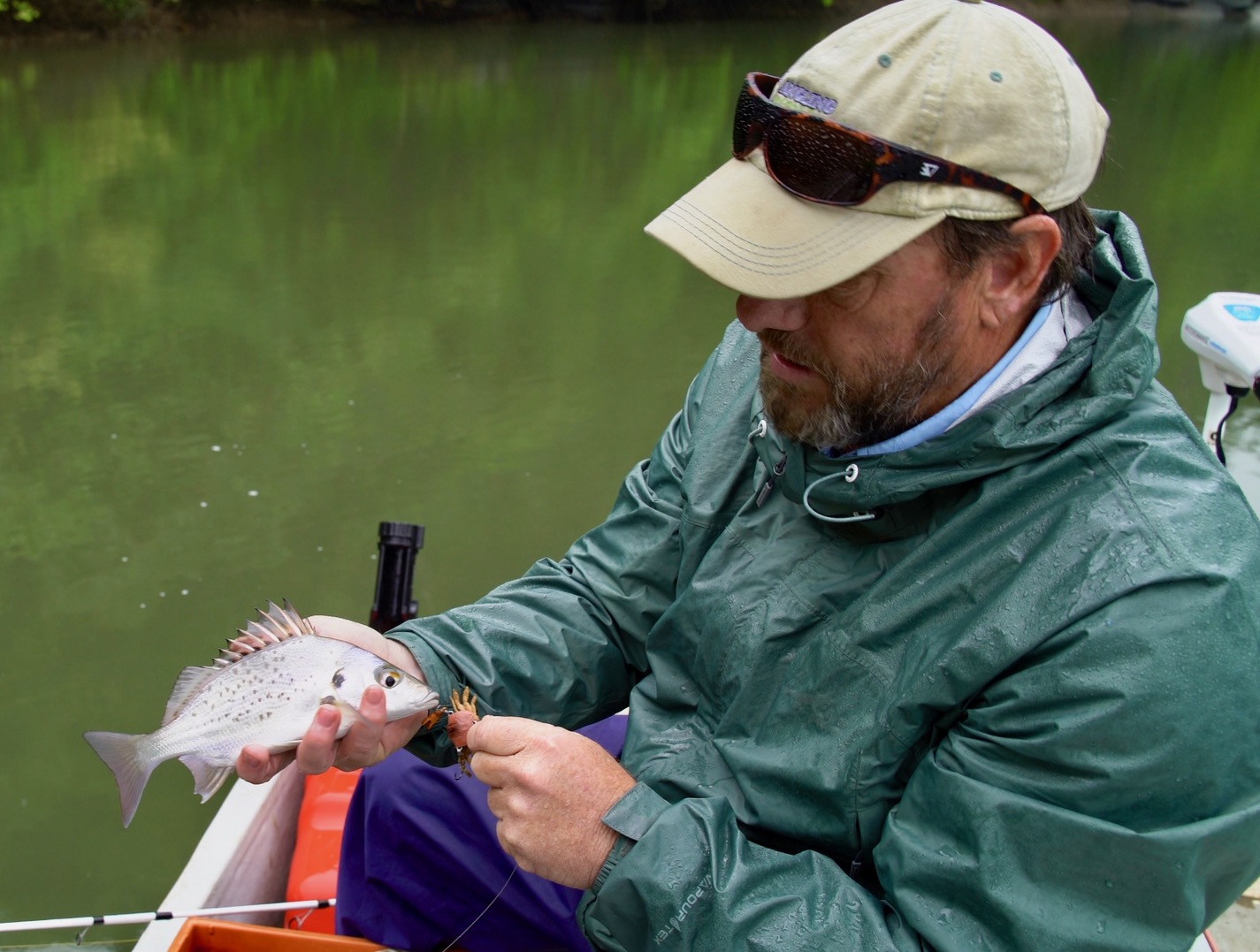
The pressure is usually higher on clear days and lower when it is overcast or rainy, so it was strange to have this inverted. The results were still the same as far as the fish were concerned though. The low pressure was putting them off, despite the clear weather and the higher pressure turned them on, despite the day having the appearance of a low pressure system.
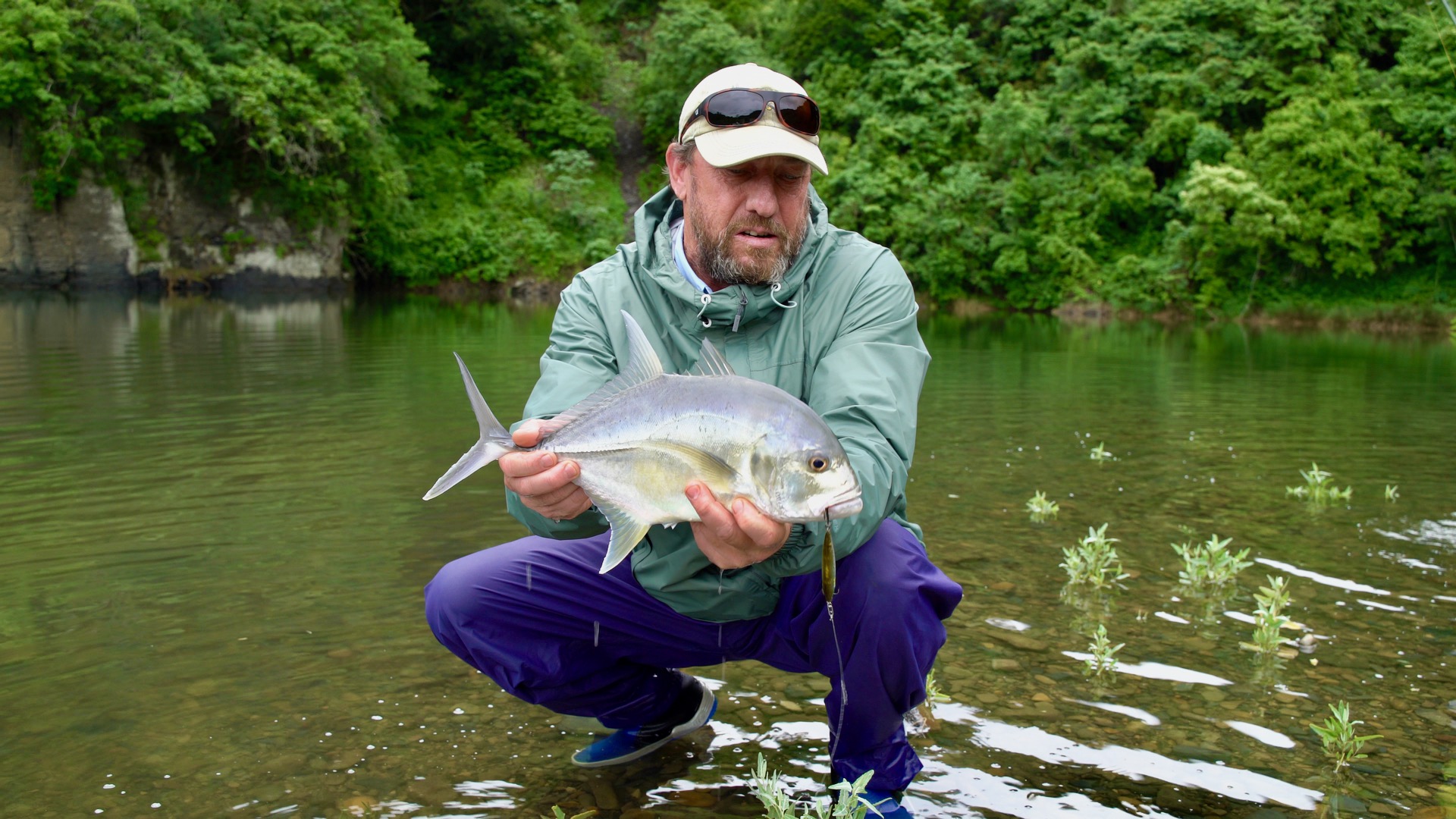
I use a barometer app on my phone, which allows me to track barometric pressure and this helps to establish a pattern. Some of the better weather apps give predicted barometric pressure in their long term forecasts, which can help to identify when things will change.
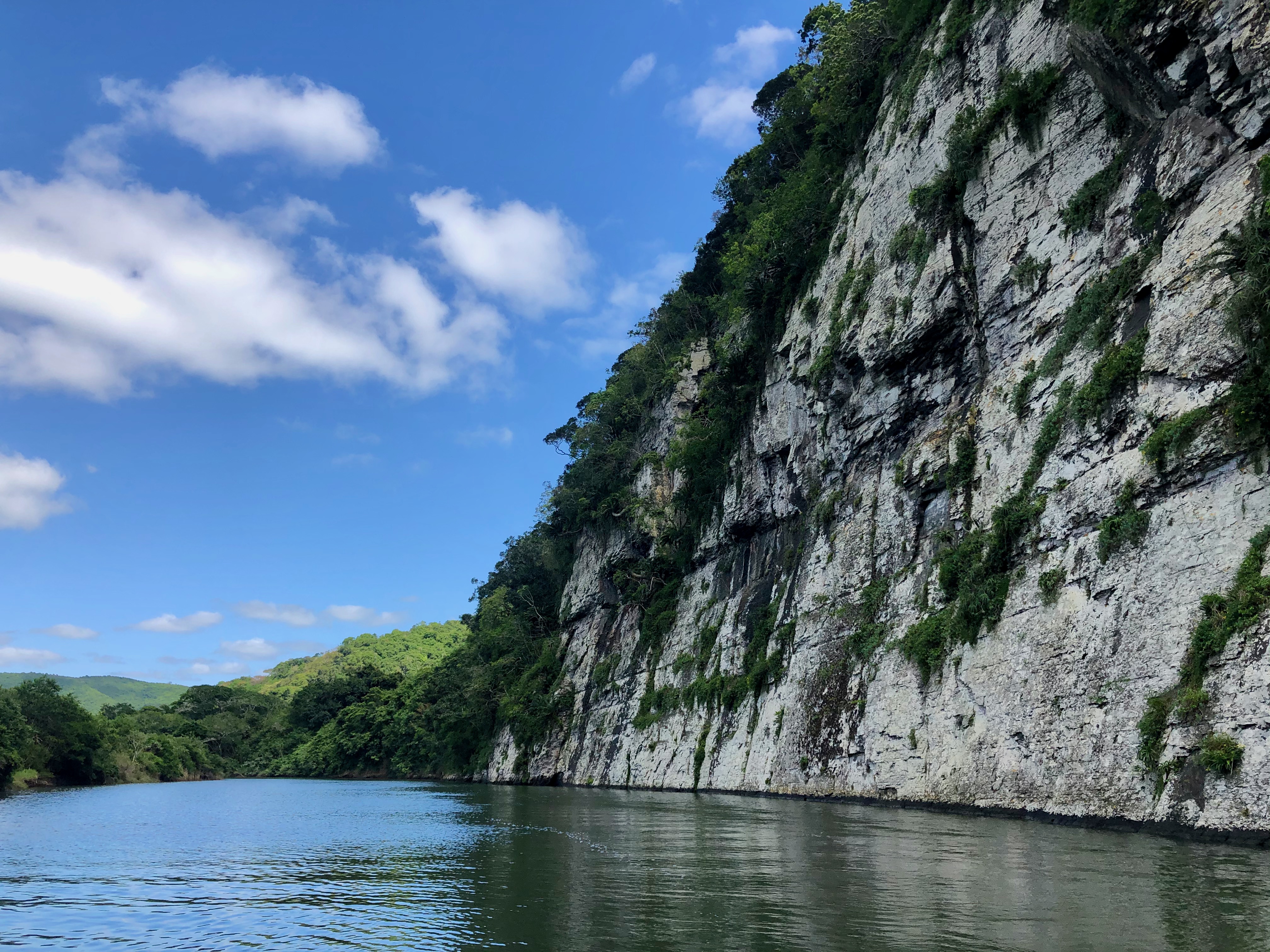
It is definitely a good idea to pay attention to pressure changes when fishing, as this can help to shed the notion that there are no fish around, and help you to understand that sometimes they just don’t bite.
- Maldives Trigger - April 28, 2022
- Matoya Humpback – Figuring it out - December 15, 2021
- Mixing It Up - November 24, 2021