


Tackle to use:
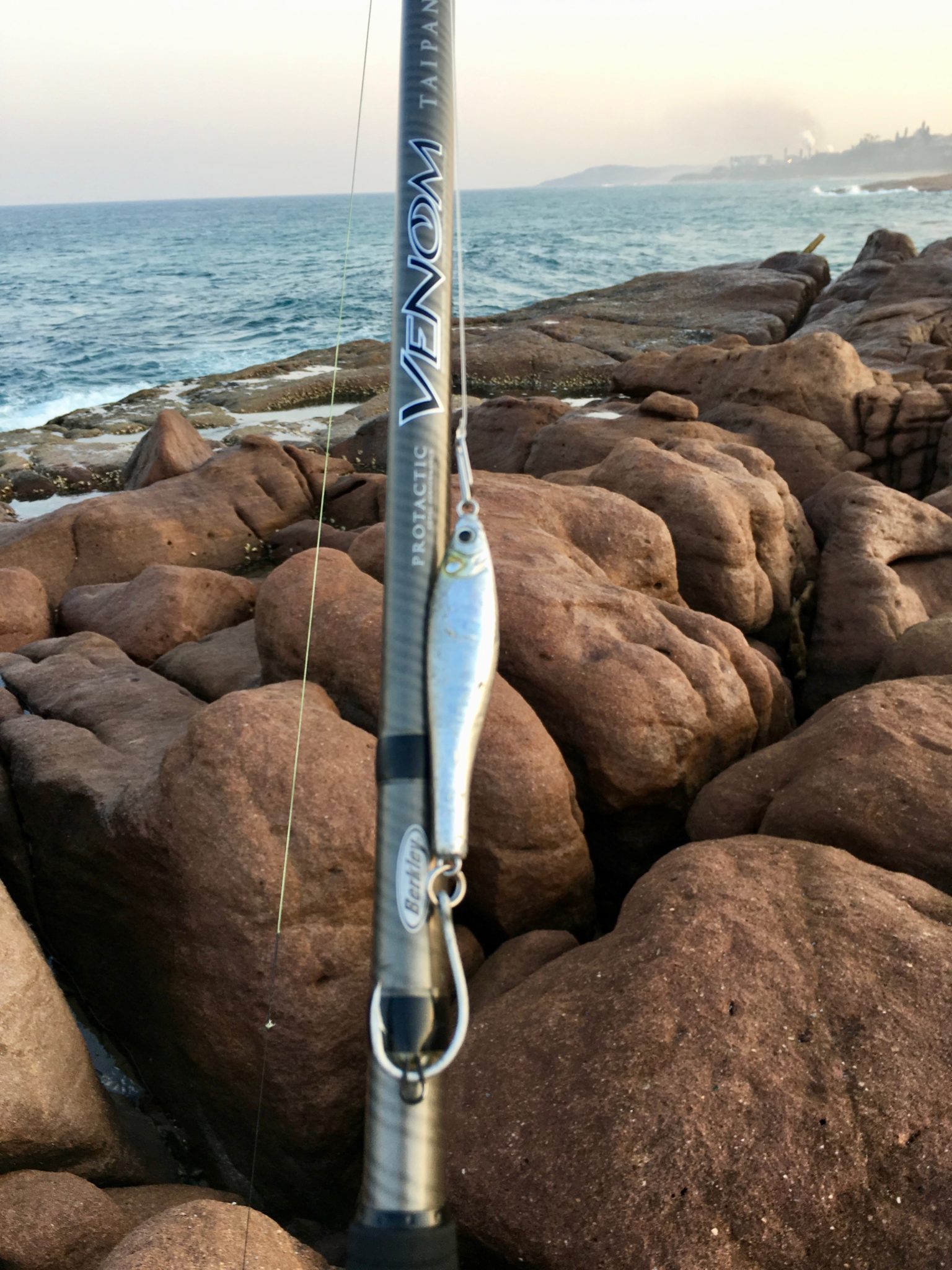
A nine to eleven foot spinning rod, such as Penn Battalion spinning or Berkley Venom Taipan. Reels in the 4000 to 6000 range, I am enjoying the Penn Conflict Long Cast 4000 for Kob at the moment. Line should be 15 to 30lb braid. I am using the Berkley Black Velvet 20lb at the moment, which has a thin diameter and is very strong, with excellent abrasion resistance. For a leader I normally use 50lb monofilament.
Where to find fish:
Searching for kob starts with searching for the right water and fishing the right times and tides. There is definitely more action at dawn and dusk, and even plenty of activity in the dark. Kob find their prey mainly with their keen sense of vibration, so they have an advantage over prey species in low visibility conditions. For this reason they do a lot of their feeding at night, or in dirty water.
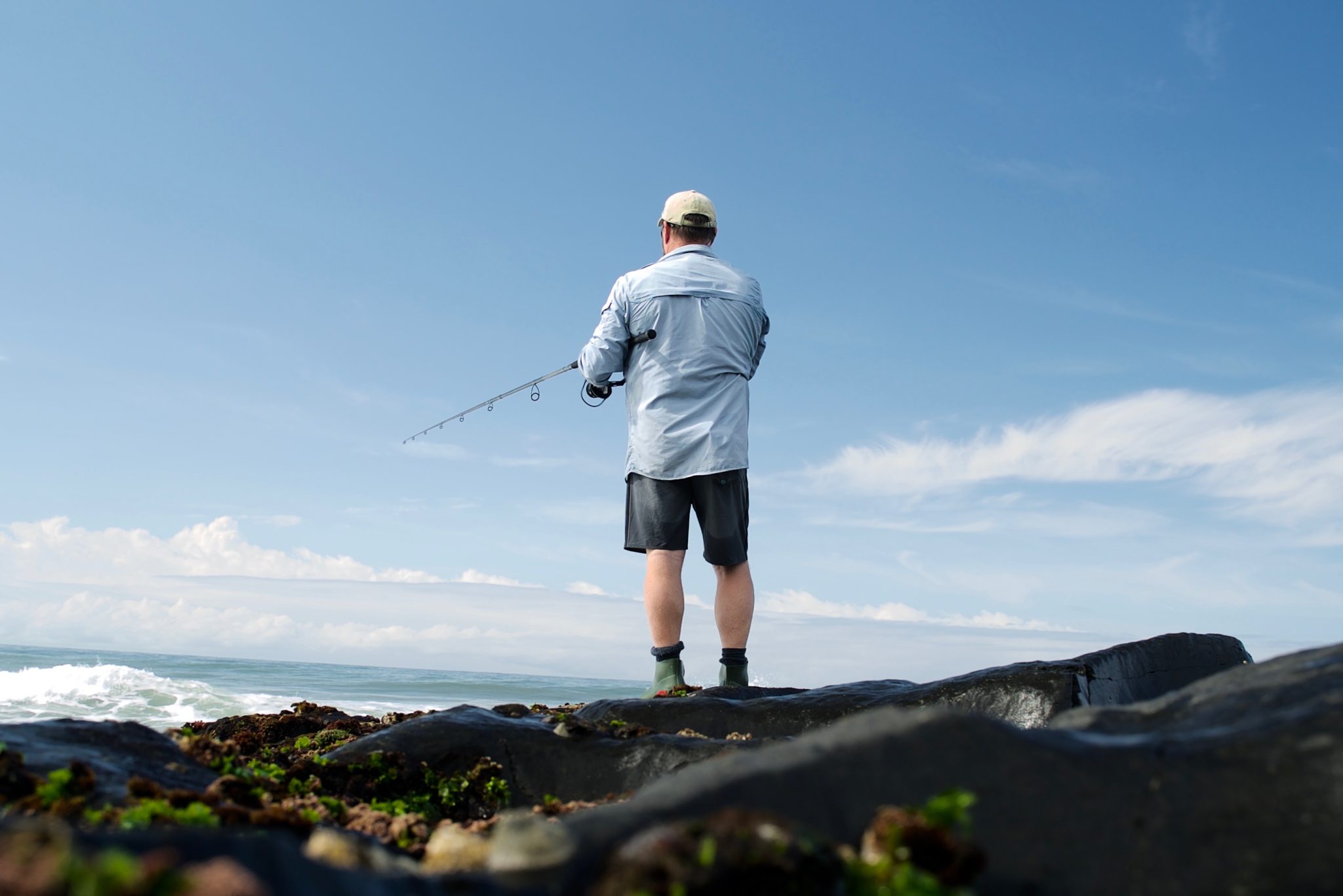
Very often many of the good kob spots can only be accessed on a low tide. Particularly rocky points and sandy beaches with banks that one needs to wade to in order to cast from them. These spots normally produce best after the turn of the tide, as it starts to push.
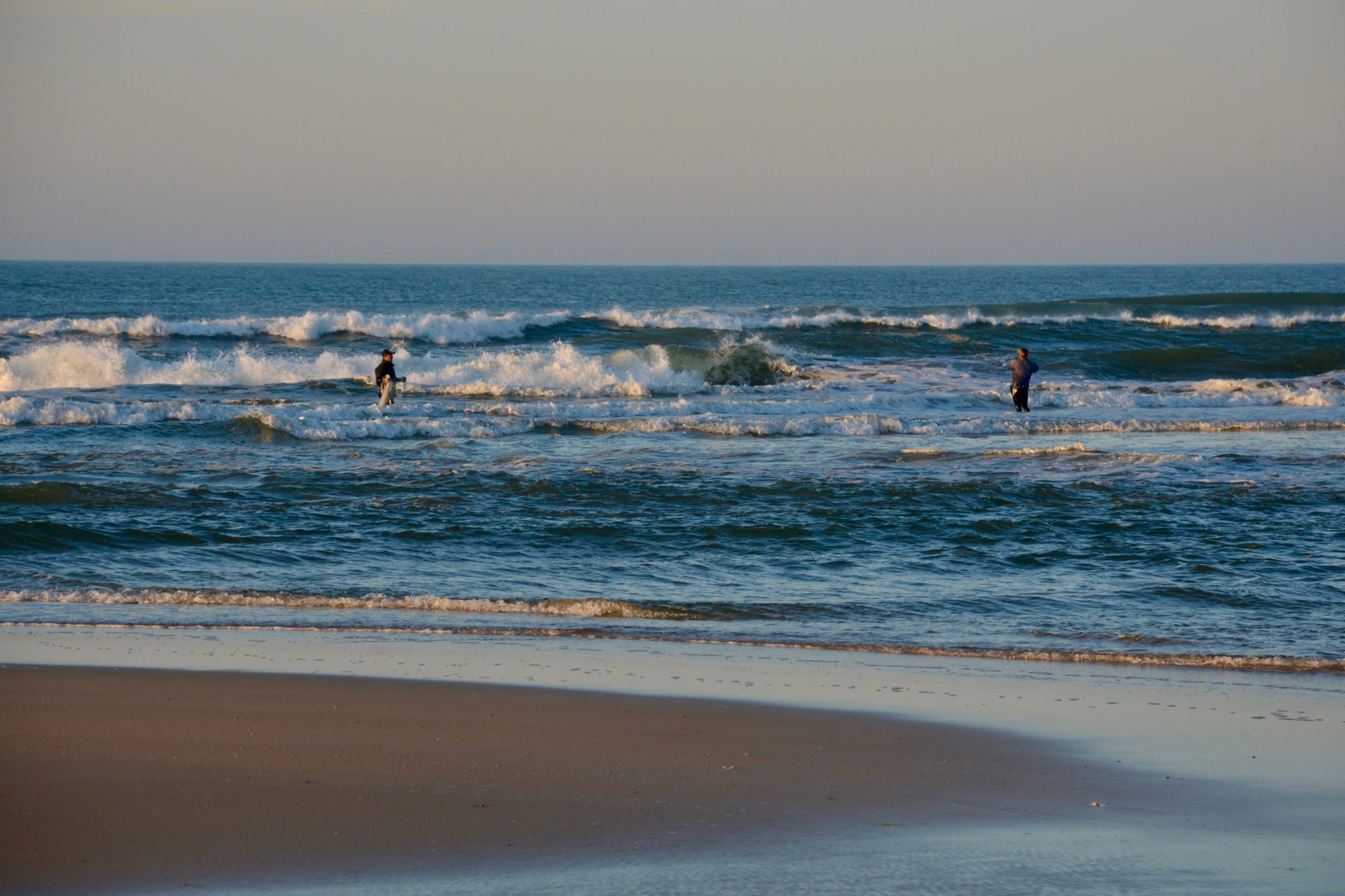
Anglers often have to wade to sand banks in order to reach kob.
River mouth areas, where there is a scent of fresh water in the sea are always attractive to kob, so it is good to look for suitable structure near a river mouth where kob would hold or hunt.
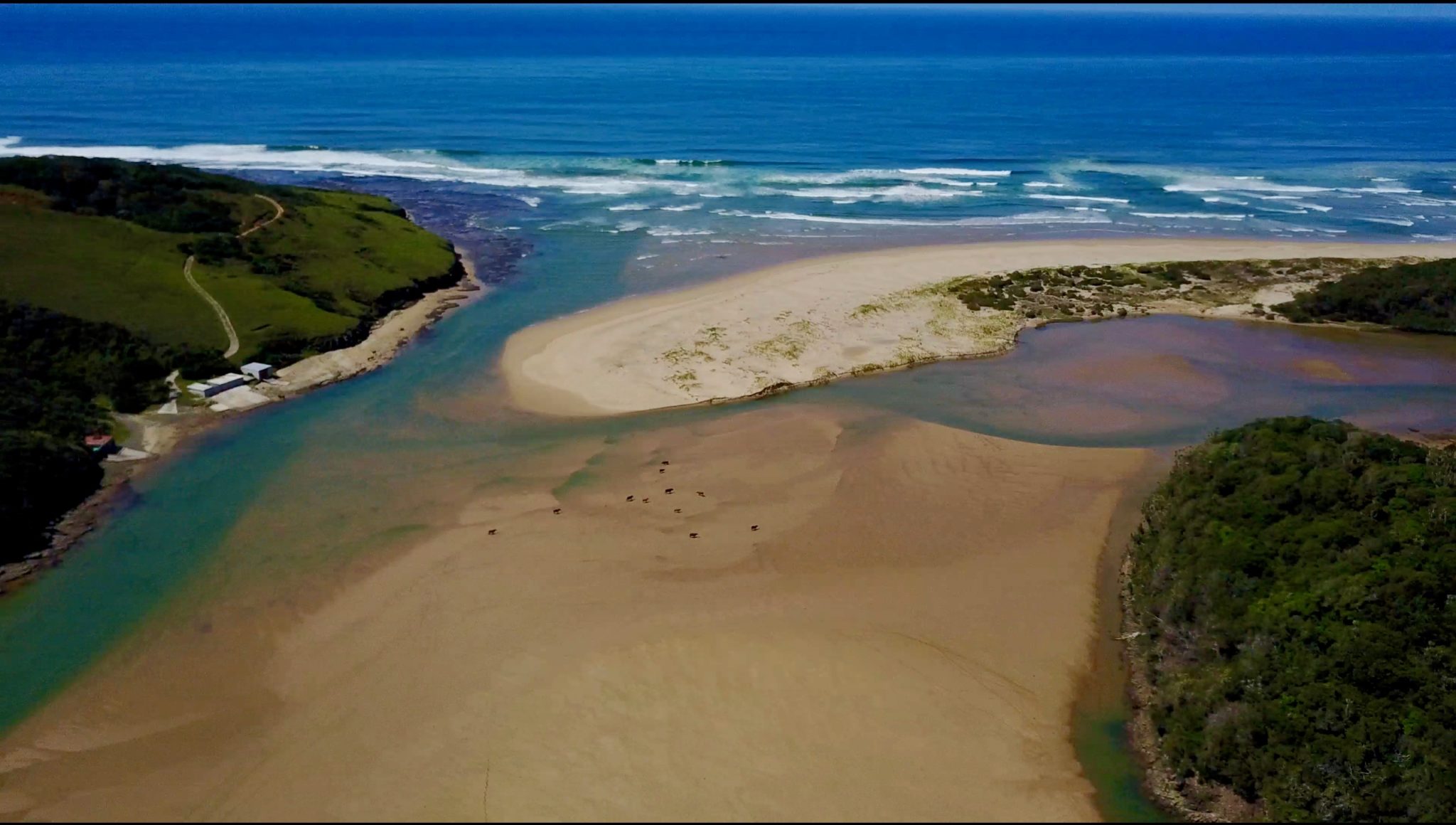
Places where there is a working sandbank, where waves are either breaking and washing over, or swells are lifting sand off the bottom and creating clouds of sand in the water.
Water with bubbles churned up by wave action around or over rocks can also be good hunting areas for kob. It is always worth pulling a weedless rigged paddletail through these areas.
Choice of lures;
The choice of lure to use for kob depends on each situation. The variety of lures that I would carry while hunting kob would be: Spoons, paddletails, bucktail jigs and lipped minnows.
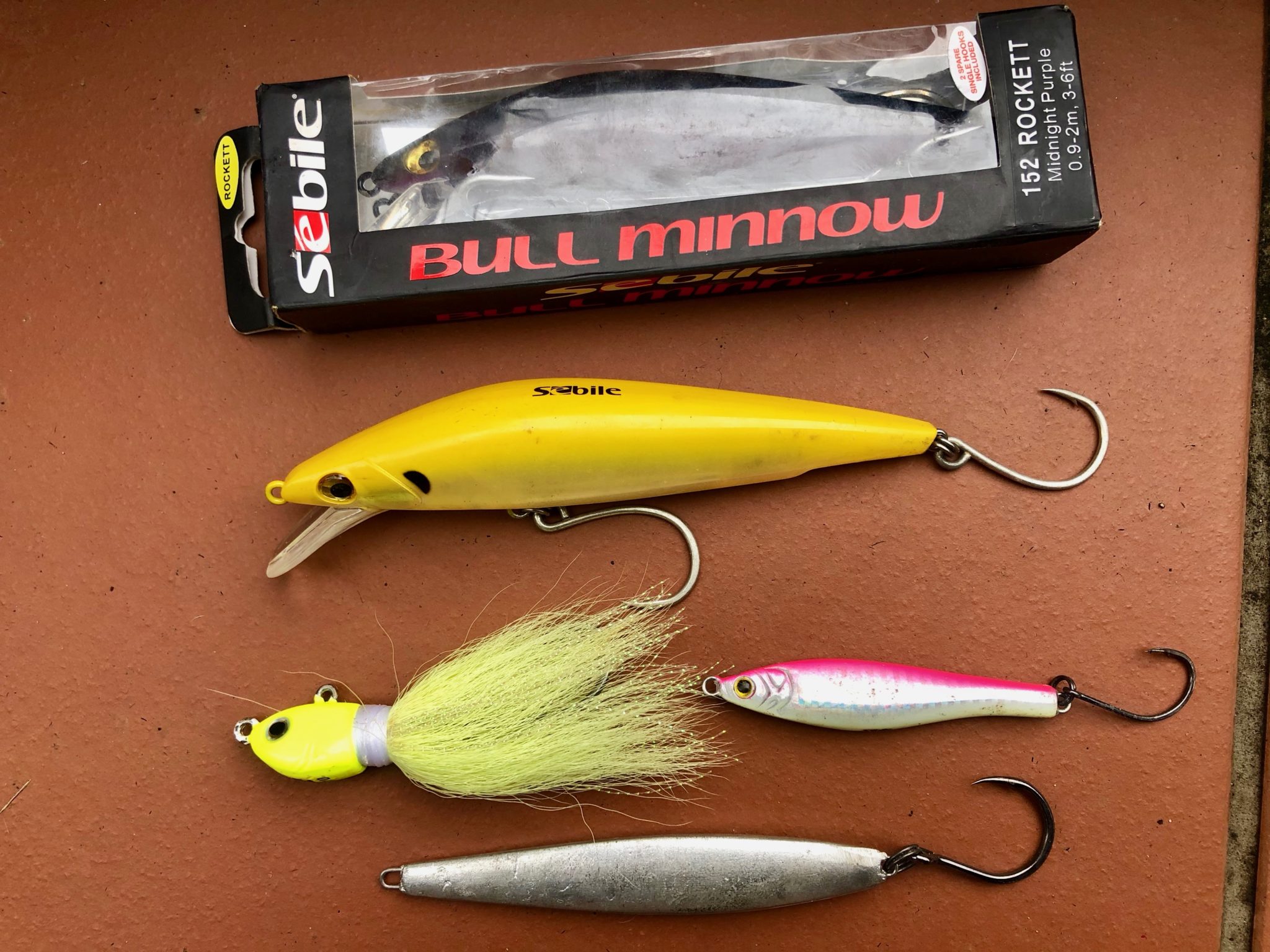
I would use the spoon where casting distance is required to reach the fish, and other lures can’t get there. Your spoon will always be your longest casting kob lure. Spoons can be rigged with circle hooks when they are going to be used over reef.
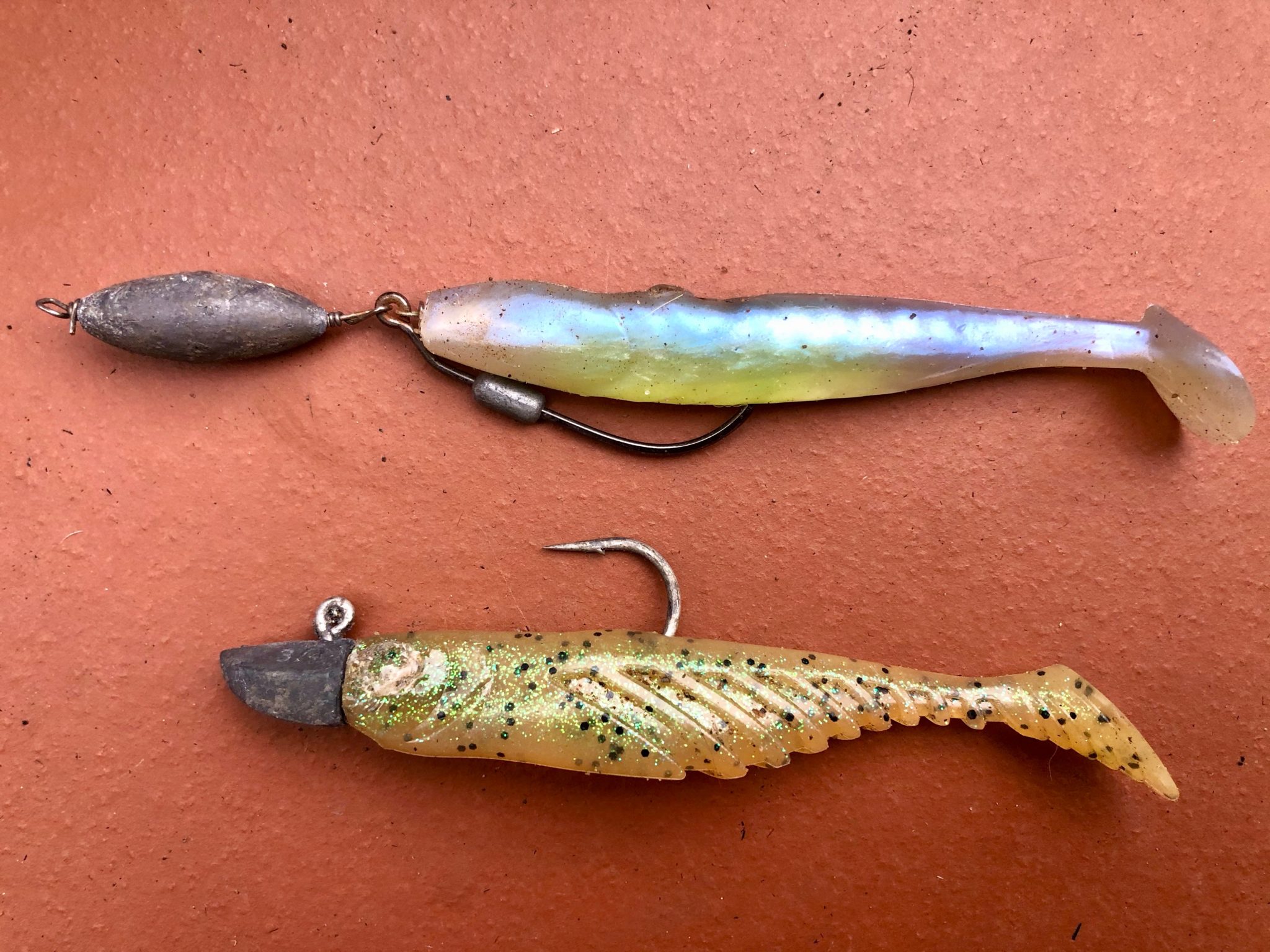
Paddletails are probably the most popular kob lures these days. They cast reasonably well and give off a lot of vibration, which is attractive to kob, even when moving at slow speeds. They would generally be used in most situations. They can also be rigged weedless, which is a big advantage when fishing areas with rock or kelp.
Bucktail jigs cast further than soft plastics, as they have a much smaller profile. They are good to use where you can’t reach fish with a paddletail, and a spoon is not producing bites.
Lipped minnows are probably the lure that kob are most likely to bite if you can get the lure in front of the fish, due to their extreme vibration and sound. Their down side is that they are generally fairly light in terms of casting weight, and don’t cast as far as other lures. The new Sebile Bull Minnow is more heavily weighted and comes in at 80g, it is specifically designed as a casting lure. This lure is very popular for kob spinning.
How to work lures;
Spoons should be cast into the target zone, allowed to sink right to the bottom (if over sand) and then retrieved with a slow retrieve. If fishing over sand, allow the spoon to make frequent contact with the bottom. This bumping and scraping attracts fish. If fishing over rock or scattered reef, then try and retrieve the spoon slowly enough that it swims in the bottom two feet of water, without hitting the bottom.
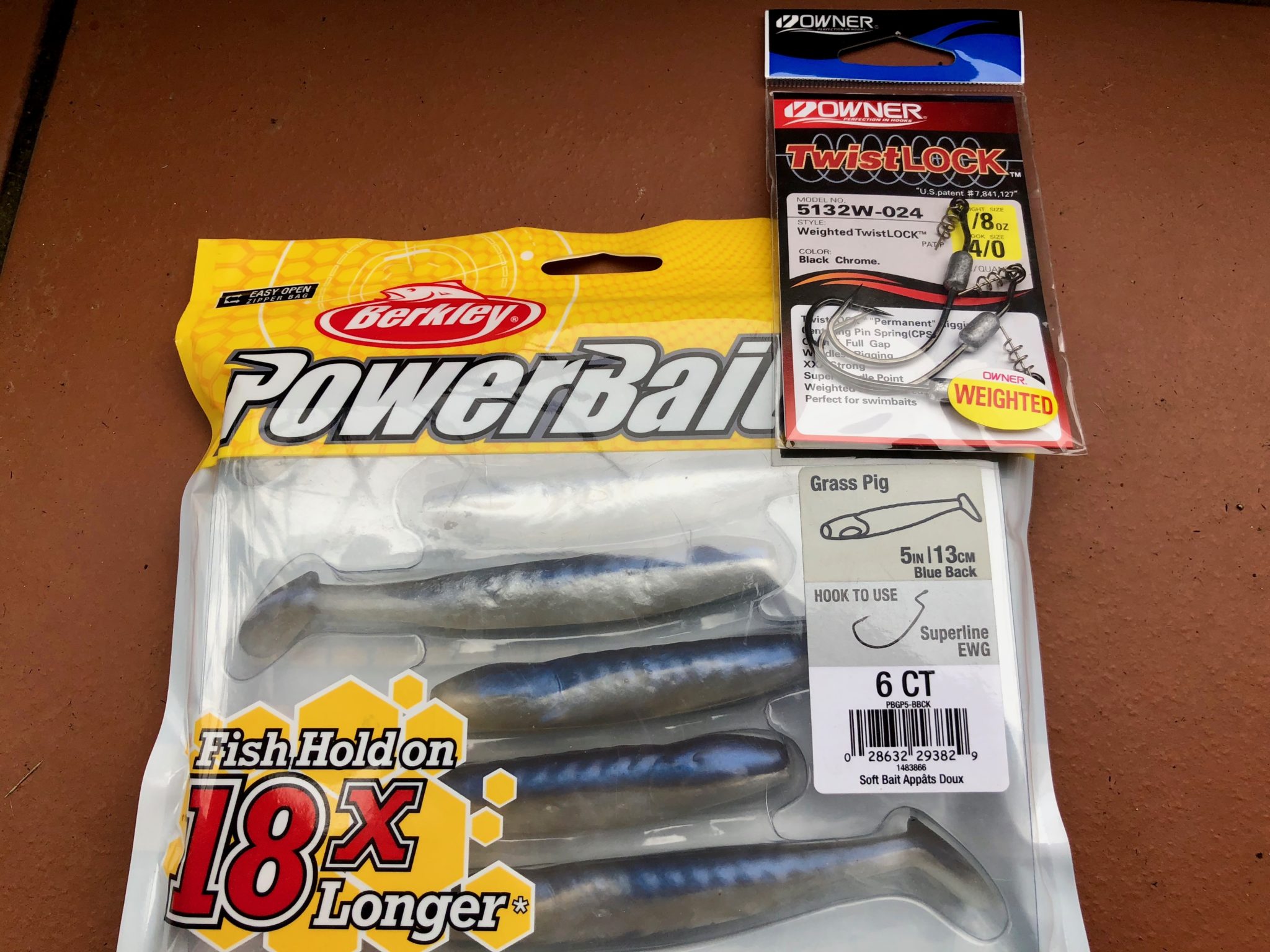
Paddletails can be retrieved with a jigging action, but most anglers just retrieve them with a steady retrieve. Kob pick up the vibration of the lure’s tail, which has a strong movement, even when the lure is being retrieved slowly. Bringing the paddletail in slowly enough for it to swim right near the bottom will always get the best results. Kob will pick up the movement of a paddletail and follow it like ascent trail to locate the lure. For this reason a steady, slow retrieve gives them the best chance of finding it. Rig the paddletail on a standard jig head when fishing over sand, and rig it weedless when fishing over rock or through kelp. If you are going to rig a paddletail weedless style, then use a narrower profile paddletail, as this gives you a batter chance of hook penetration on the strike. Berkley Ripple shad and Berkley Powerbait Grass Pigs are my favourite paddletails at the moment.
Bucktail jigs are retrieved with a slow jigging action. Lift the rod to an upright position, then wind the tip down to horizontal again and repeat. The bucktail should bump the bottom between twitches. I would recommend bucktails between 3/4 oz and 2 oz for spinning for kob in the surf. The Berkley Fusion bucktails are an excellent choice.
Lipped minnows are just retrieved with a steady retrieve with the rod tip held low and pointing at the lure. It is best to use weighted lipped minnows over sand, as they can easily snag up on red bait pods or kelp and seldom come loose again. The most popular weighted lipped lure at the moment is the Sebile Bull Minnow.
How kob bite;
When doing a straight retrieve your lure normally just stops and you feel a head shake. When you are retrieving with a jigging action, you often feel a light tick on the line while you are dropping your rod tip, and when you lift it again you go tight on a fish.
How kob fight;
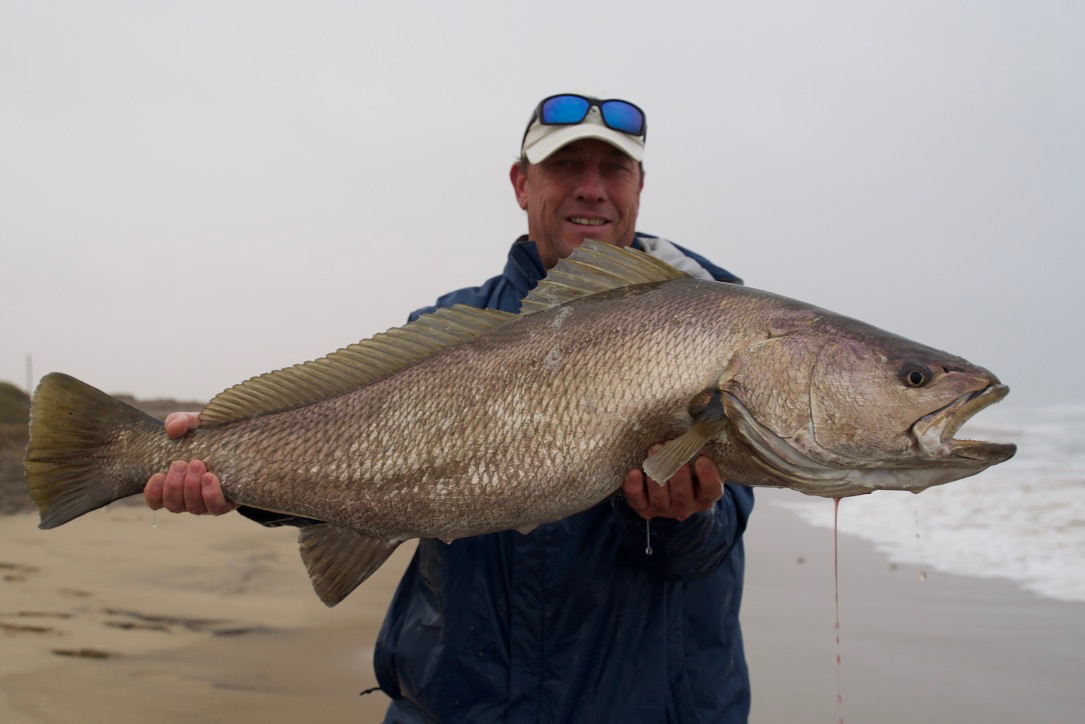
Kob fight hard, with many head shakes. Hooks can be shaken out during these shakes, particularly if they are small hooks. They do not fight dirty however, and seldom cut you off on structure, when they do it is simply bad luck. Bigger kob can give a good fight and take a lot of line on spinning tackle.
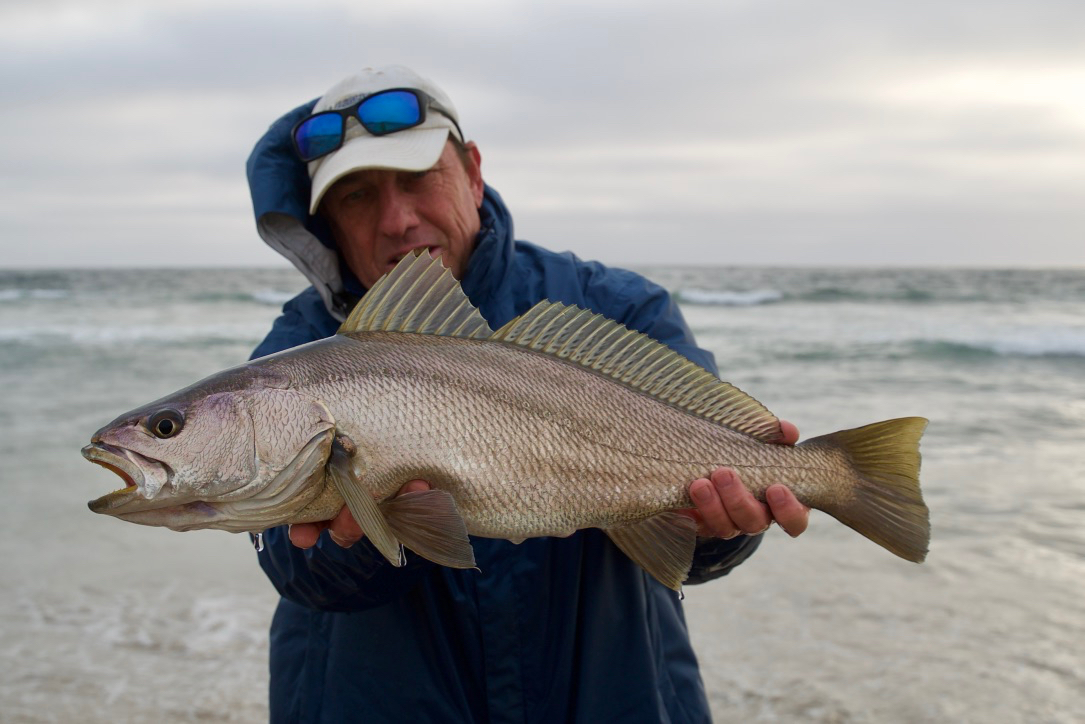
Handling and Release;
Many anglers keep kob in a rock pool after catching them, as they worry that releasing a panicky fish could frighten the shoal and the bite will go quiet. After they finish fishing they may choose one to take home and release the rest, or simply release them all, depending on their needs.
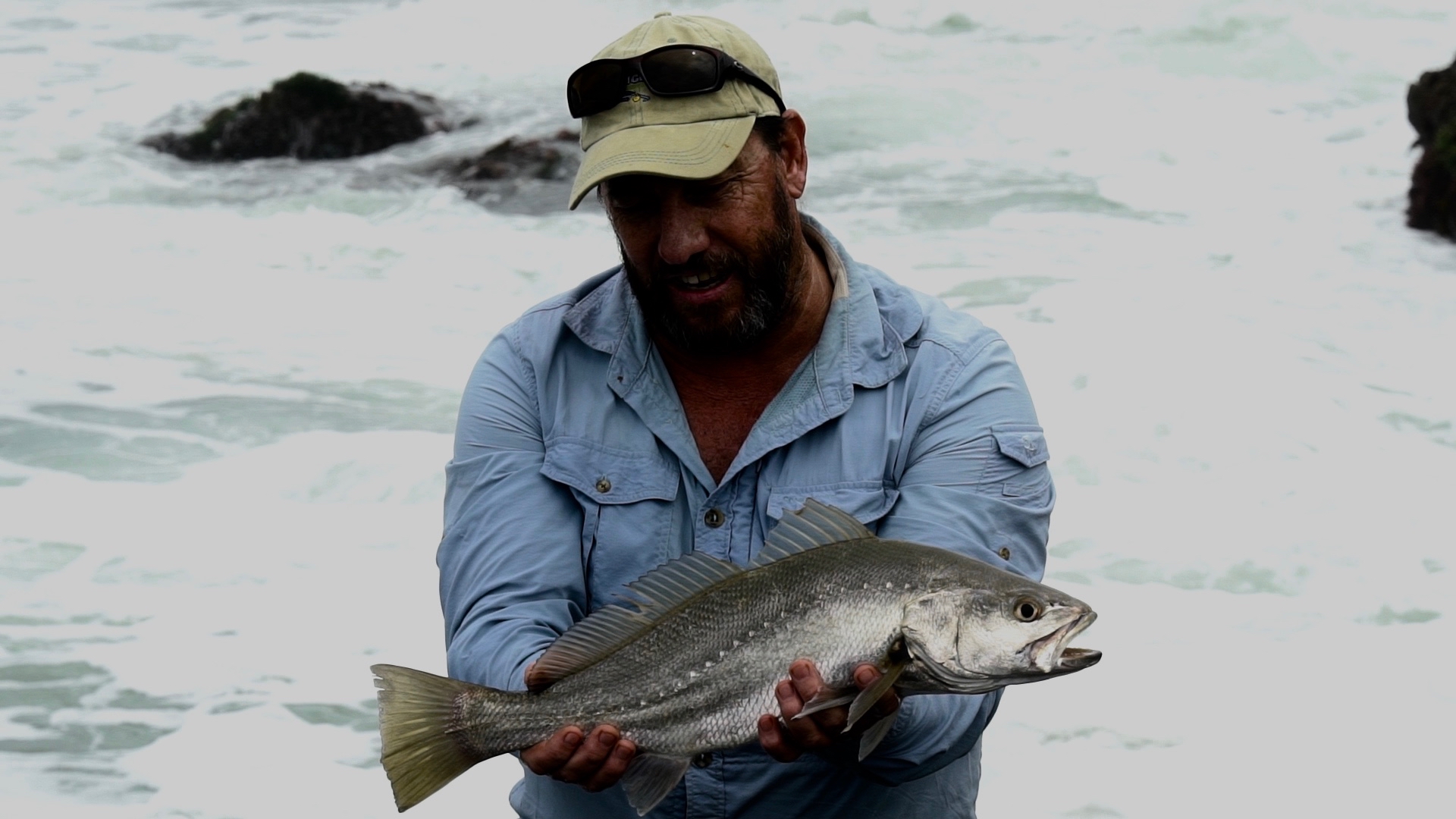
Try and be careful when landing fish, to not drag them over rocks and barnacles. Bring them up with a wave. Handle the fish with a wet towel, or at least wet hands. Never keep it out of the water for more than a minute. Keep the fish wet, and use a suitable rock pool to revive the fish. When fishing from a sandy beach a depression dug in the sand and lined with a sheet of plastic or canvas can be filled with sea water with a bucket, and will work very well for holding kob before release.
- Maldives Trigger - April 28, 2022
- Matoya Humpback – Figuring it out - December 15, 2021
- Mixing It Up - November 24, 2021