


The Twitch And The Pause.
The pause is one of the most important tools in a lure angler’s box of tricks. A lure stopped, whether on the surface, on the bottom, or hanging suspended, is often inhaled. If not on the pause, then often as it moves again.
This is the reasons why the fly (salt) is so effective. It stops dead on the pause, is virtually weightless, so it hangs tantalizingly in the zone and has soft bits that breathe life into it, with the slightest of water movement.
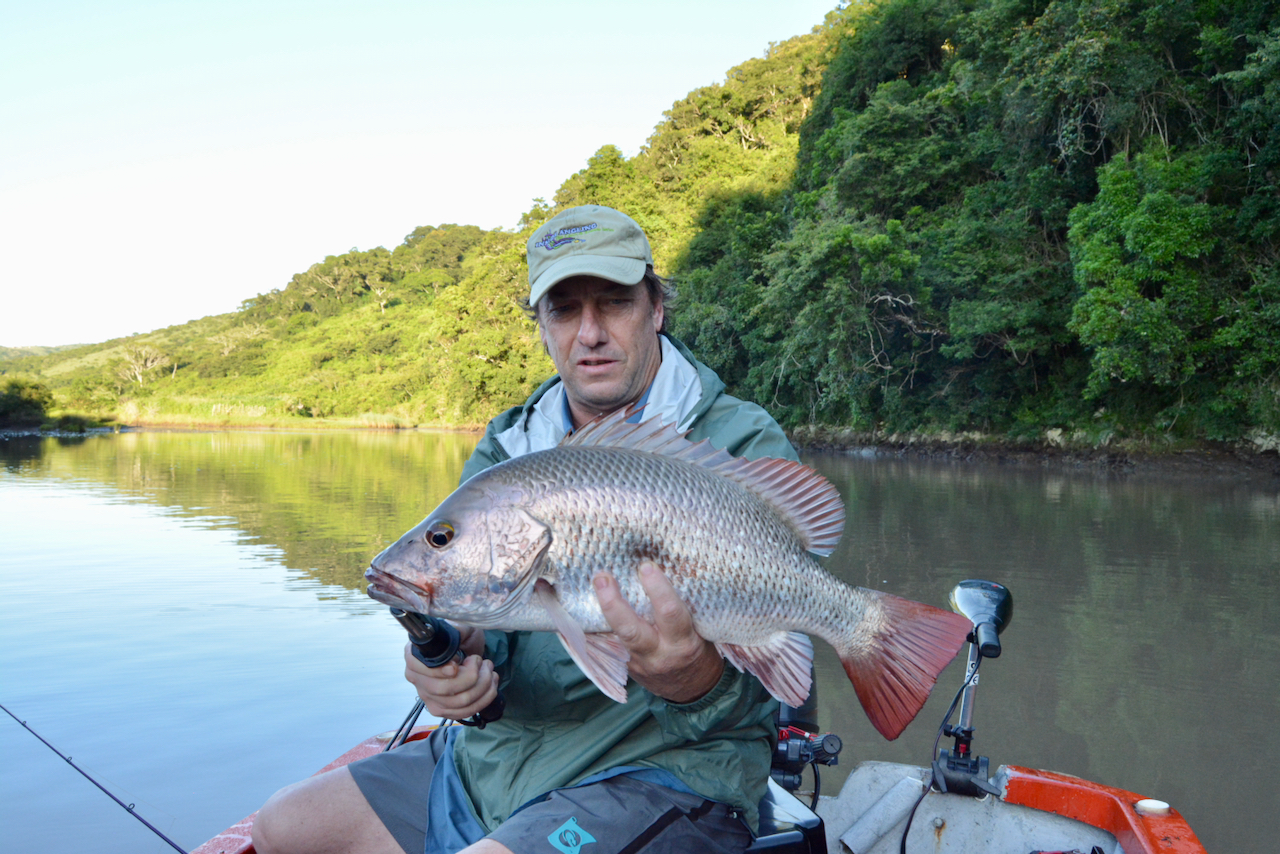
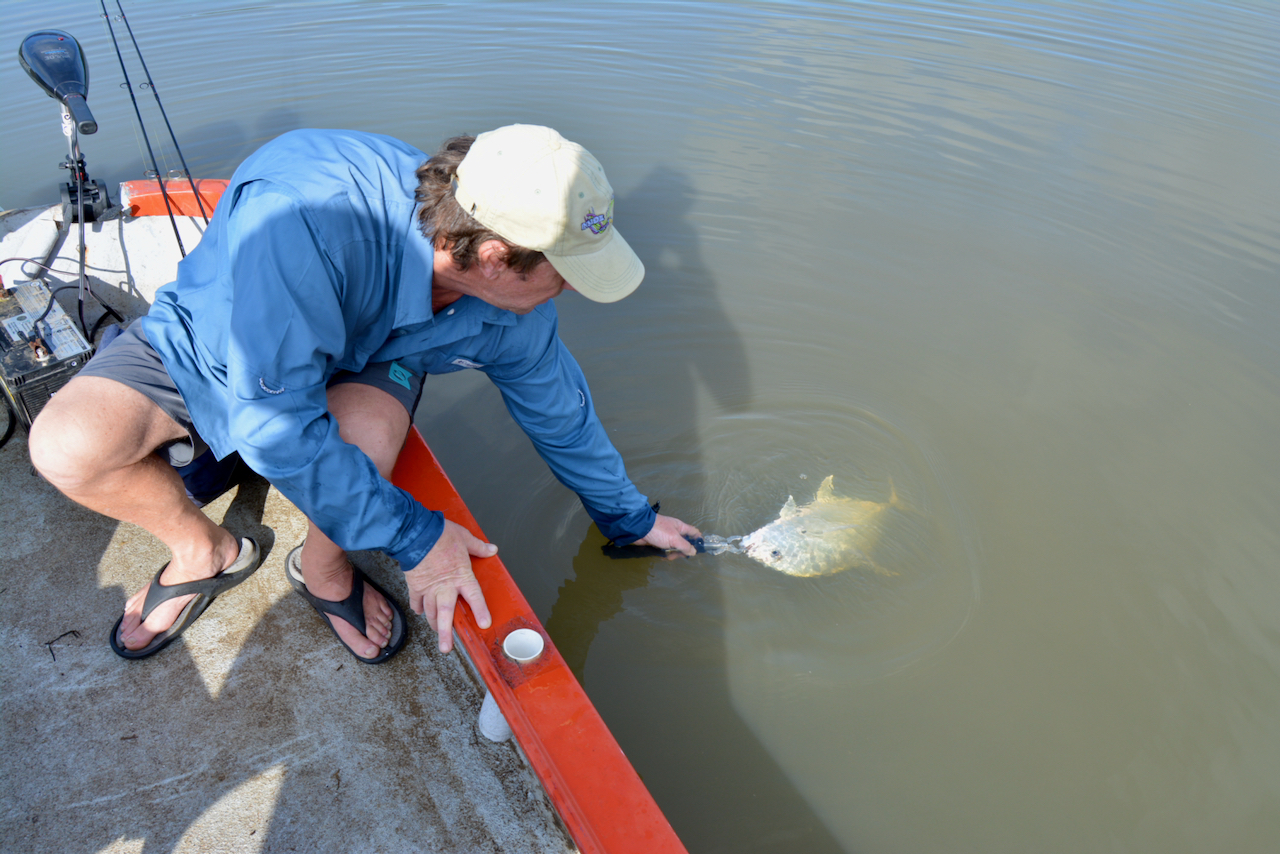
For timid fish, a nice pause on a lure often seals the deal. This is why it can be good to use a lure that continues to be attractive when lying still.
I learnt this by mistake many years ago when a floating stickbait that I was using hit the rocks a few times and cracked. It filled with water and became a suspending stickbait, as it now had a neutral buoyancy.
I carried on using it, trying different retrieve styles and mixing it up a bit. I ended up having a great session, catching plenty of fish by using the pause a lot and leaving the lure hanging enticingly in place.
Some lures sink like a stone and can easily snag up on any underwater structure in places, or simply look unnatural on the sink.
Exceptions of course being lures that sink with a built-in fluttering action, or with soft movable parts such as bucktail jigs and soft plastics, which move, even when the lure is still.
Other lures float up suddenly when you pause them, while this may get a strike from more aggressive fish, it can result in a refusal from more fussy feeders.
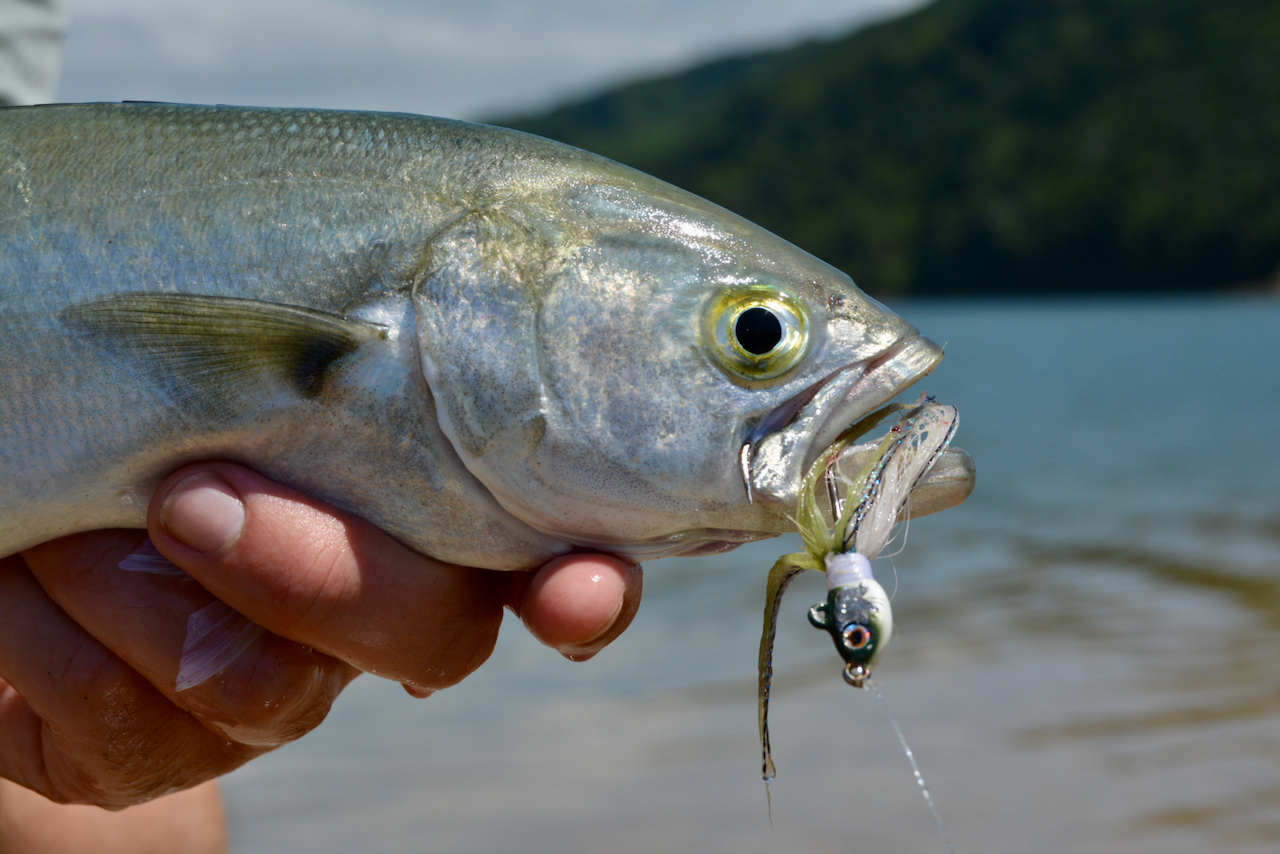
Slow risers on the other hand can be deadly at times, when fished with patience and put in the right spots.
Floating lures that remain in a horizontal position while at rest are more likely to get eaten on the pause than those that hang tail down.
So, when using the pause, it is important to choose the right lure to get the most out of it.
Things to consider when picking a lure to be fished slowly, with pauses and twitches are:
Lure balance, shape, colour, texture, finish etc.
The fish will get a better look at this lure than a fast moving one, so it needs to pass close inspection. Natural colours and realistic finishes can help with finicky fish. Neutral buoyancy lures are always a great choice. There are good imitations for fish, prawn, worms, crabs or squidlets out there, to fill your box with options.
When fishing close quarters, like with a sneaker motor in a slow river, you can get away with using light lures on reasonably strong gear with braid. Lighter lures pretty much always get the bite if you can get them in front of fish.
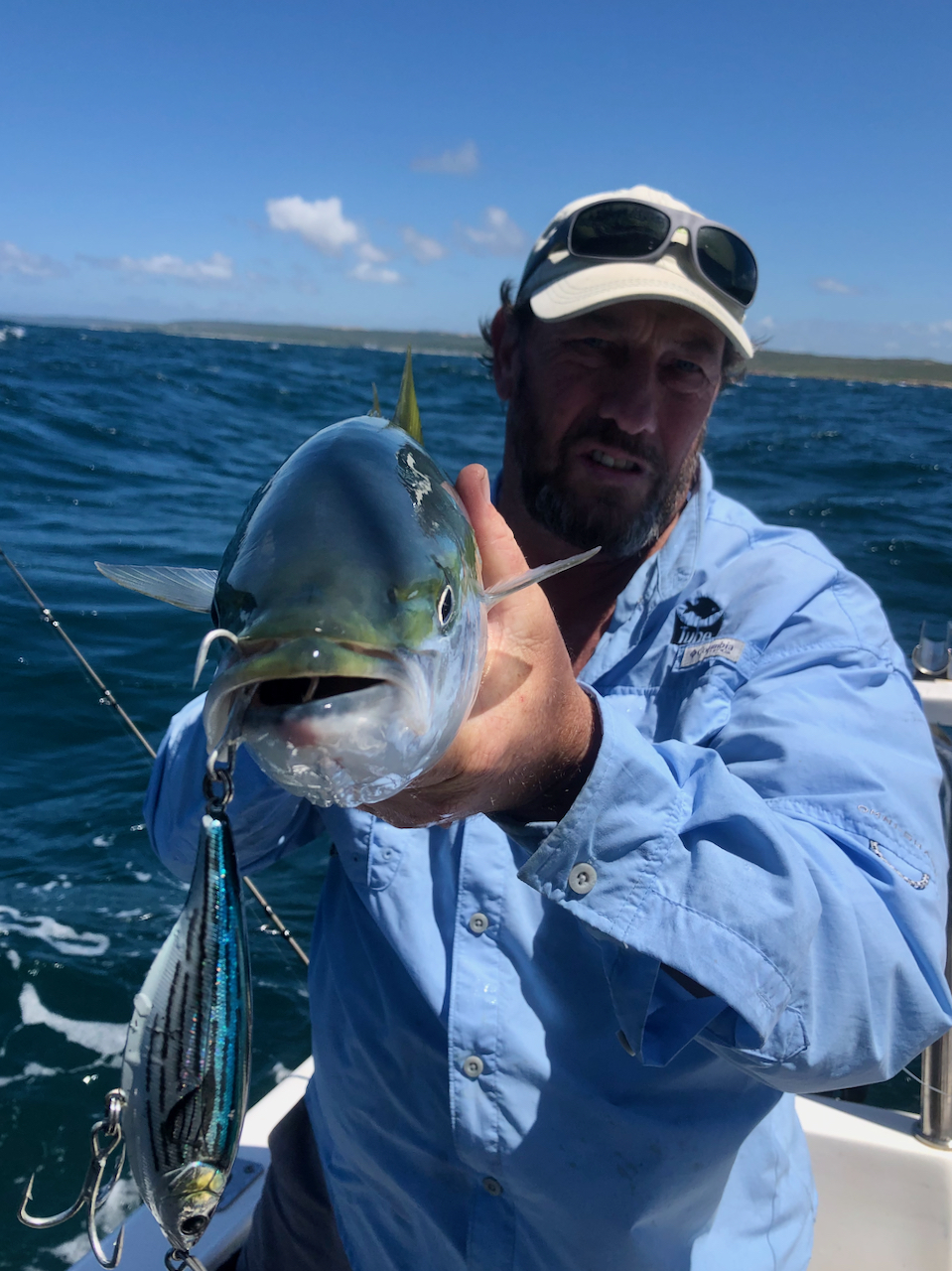
Try smaller movements at times after the lure has been paused for a few seconds, like shaking your rod tip with a bit of slack in your line. Try tiny twitches, followed by pauses.
Mixing it up often uncovers something that is working on that day, and can result in the difference between an average day and a great days fishing.
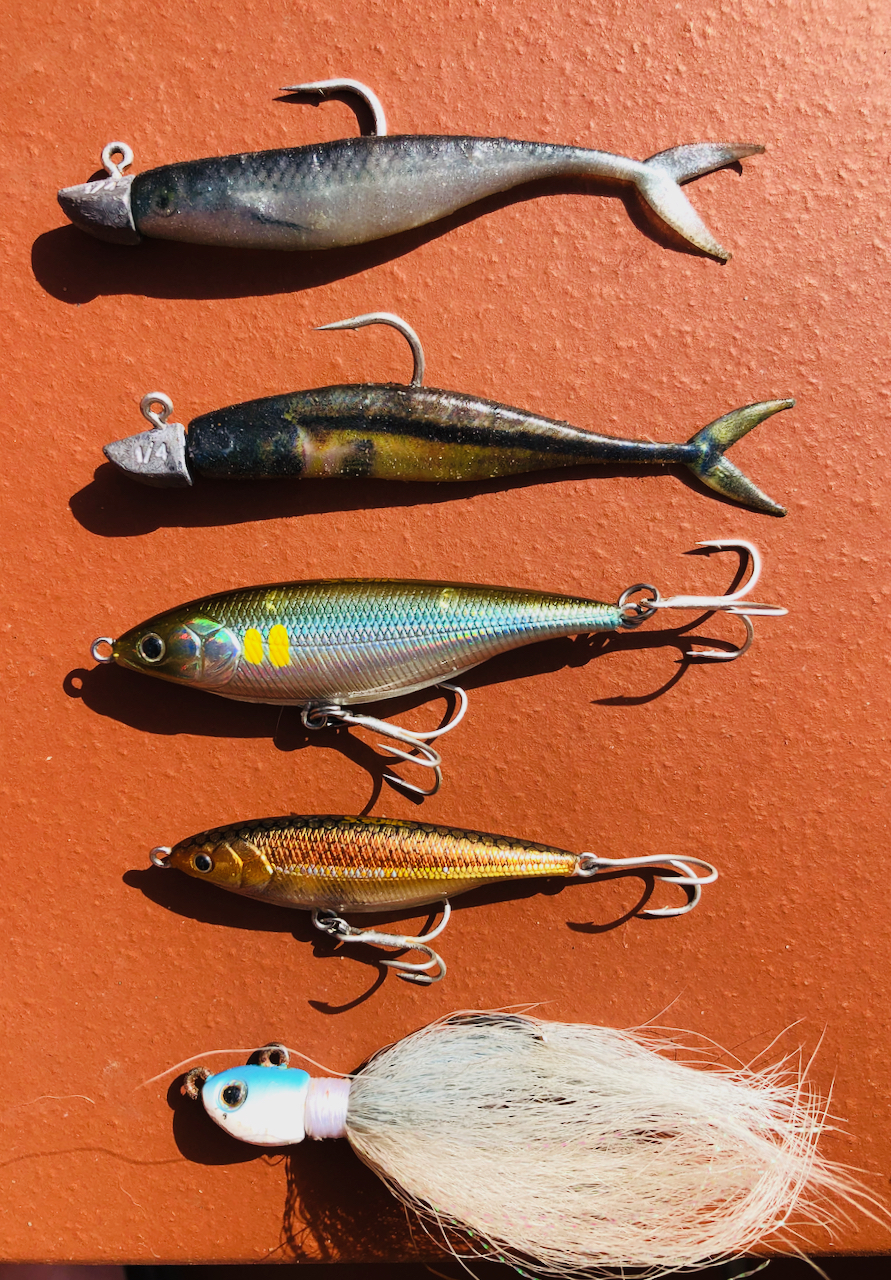
Some of the lures that have been working well for me in this regard at the moment are:
Surface:
Berkley J-Walker floating stickbait.
It floats horizontally at rest and has a nice clean ‘tick’ when it moves, from the ball bearing in the tail.
Sub-Surface
Sebile Stick Shadd suspending.
Realistic shape and finishes, it is neutrally buoyant and remains horizontal at rest.
Bottom:
Sebile Stick Shad sinking
Berkley Fusion bucktail jigs
Berkley Powerbait Realistix soft baits.
- Maldives Trigger - April 28, 2022
- Matoya Humpback – Figuring it out - December 15, 2021
- Mixing It Up - November 24, 2021